Uncategorized
What a Proposed Fish Protection Listing Means for Aquarists Across Canada
Nov
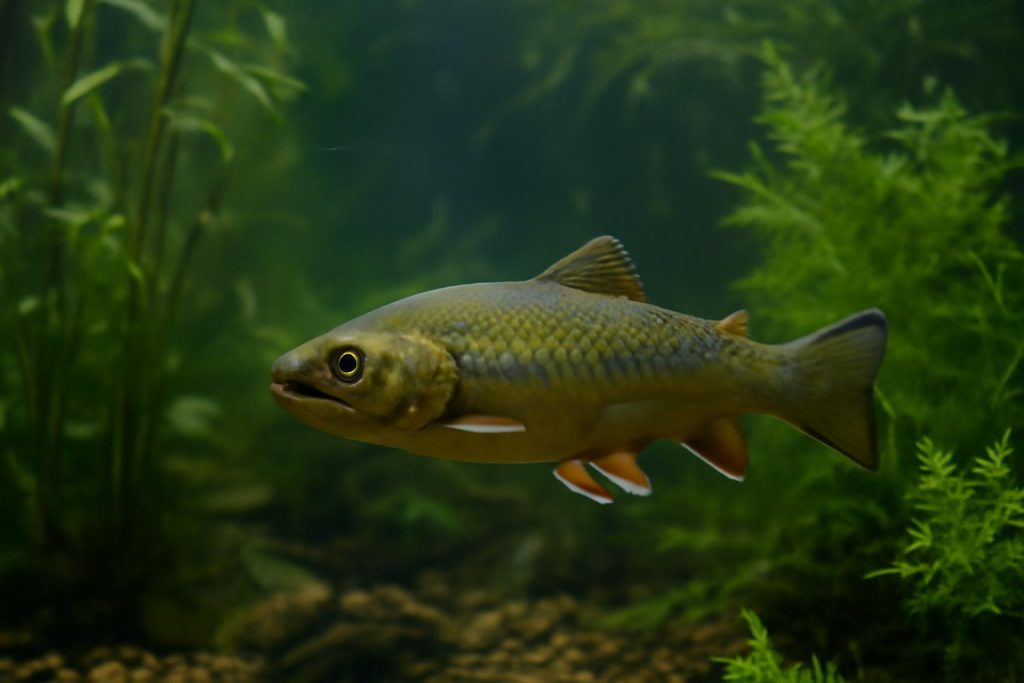
Recent reporting about aquatic species in Saskatchewan being proposed for federal protection has brought an important topic back into focus: how aquarium keeping and fish conservation can work together. For aquarists across Canada, the announcement is not a reason to panic about ordinary community fish, African cichlids, discus, shrimp, or aquarium plants. It is an opportunity to understand where aquarium livestock comes from, why native species need protection, and how everyday hobby decisions can support healthy aquatic ecosystems.
Whether you shop at a local tropical fish store or buy fish online in Canada, responsible ownership begins with the same principles: identify every species correctly, purchase from reputable sources, follow applicable rules, and prevent aquarium animals from entering natural waterways.
Why proposed protection listings matter
In Canada, species may be considered for protection when scientific assessments indicate that their populations are at risk. A proposed listing is part of a formal process; it does not automatically mean that every aquarium hobbyist must surrender an animal or stop keeping commonly available fish. The specific legal consequences depend on the species, its final status, the jurisdiction involved, and the rules that apply to possession, transport, importation, sale, or release.
The broader message is more straightforward. Wild fish populations face pressures that aquarium fish do not experience in a home tank, including habitat loss, pollution, barriers to migration, invasive species, changing water conditions, and overharvesting. A small native population can be affected by seemingly minor disturbances, particularly when breeding habitat or food sources are limited.
For aquarists, this highlights the difference between keeping captive-bred or legally collected ornamental fish and removing animals from the wild without permission. It also reinforces why accurate species identification matters. Common names can be confusing, and visually similar fish may have very different conservation statuses or care requirements.
Does this affect the fish sold through Canadian aquarium stores?
Most ornamental aquarium livestock sold through established Canadian retailers is sourced through commercial breeders, wholesalers, or regulated import channels. Popular aquarium groups such as tetras, rasboras, barbs, livebearers, corydoras, plecos, gouramis, African cichlids, freshwater shrimp, and snails are generally part of the ornamental fish trade rather than local Canadian conservation programs.
That does not mean every species has identical rules. Some fish, reptiles, amphibians, invertebrates, and plants may be restricted by federal, provincial, territorial, or municipal regulations. Rules can also change depending on whether an animal is native, invasive, endangered, venomous, genetically modified, or considered a potential ecological threat.
Before ordering an unusual species, ask the seller for its scientific name and confirm that it is legal to possess and transport in your location. This is especially important for predator fish, monster fish, piranhas, snakeheads, eels, crayfish, large catfish, and brackish species. A fish that is legal in one province or municipality may not be legal in another.
When reviewing a Canadian livestock selection, the current aquarium product catalogue can help you see the breadth of species and supplies available, but product availability should never replace checking local regulations. If you are uncertain, contact the retailer and consult the relevant government authority before placing an order.
Five responsible sourcing habits for aquarists
1. Learn the scientific name
Scientific names reduce confusion caused by regional trade names. “Shark,” “eel,” “catfish,” and “dwarf cichlid” can describe several unrelated fish. Before buying, record the full scientific name, expected adult size, water requirements, and compatibility profile.
This habit is particularly useful when buying rare fish online. A juvenile may look suitable for a modest aquarium, yet grow into a large predator requiring a custom aquarium, powerful filtration, and carefully planned tank mates. Understanding the adult animal helps prevent impulse purchases and later rehoming problems.
2. Ask where the animal came from
Captive-bred livestock can reduce pressure on some wild populations, although captive breeding is not practical for every species. Ask whether the fish was bred domestically, commercially farmed, or legally collected. Reputable sellers should be able to provide useful information about origin, size, diet, and acclimation.
Wild-caught fish are not automatically unethical. Responsible collection can support local economies and provide healthy, genetically diverse stock when it follows appropriate rules. The key is traceability, legal sourcing, and a seller who takes animal welfare seriously.
3. Avoid purchasing questionable specimens
Do not buy fish with vague identities, suspicious collection stories, or descriptions that encourage taking animals from protected waters. Be cautious of listings that use conservation status as a marketing gimmick without providing meaningful details.
A responsible online fish store should describe livestock honestly, explain shipping conditions, and provide clear instructions for receiving live animals. If a seller cannot answer basic questions about identification or care, choose a more transparent source.
4. Keep records of unusual species
For uncommon fish and invertebrates, save your invoice, species information, and any import or permit documentation supplied with the shipment. Good records can be useful if regulations change, if you move to another province, or if you need to work with an experienced aquatic veterinarian or public authority.
5. Never release aquarium animals
Releasing a fish, snail, crayfish, plant, or live food culture into a pond, river, storm drain, or lake is unsafe and often illegal. Aquarium animals may carry pathogens, compete with native species, prey on local wildlife, or alter habitat. Even species that cannot survive a Canadian winter may still create short-term ecological problems or spread disease.
If you can no longer keep an animal, contact the original retailer, a reputable aquarium society, an experienced hobbyist, or a municipal animal-rehoming resource. Do not flush fish or pour aquarium water containing live organisms into natural waterways.
Native Canadian fish are not automatically easy aquarium fish
Some hobbyists become interested in keeping local fish after learning more about Canadian aquatic biodiversity. That interest can be positive, but native species usually require specialized knowledge. Temperature, seasonal cycles, oxygen levels, current, diet, tank size, and legal collection requirements may differ substantially from those of tropical community fish.
Collecting from a lake, river, or stream without permission can damage a local population and may violate provincial or territorial fishing and wildlife rules. Even where collection is allowed, a fish that appears healthy in the wild may struggle in a closed aquarium system. It may also outgrow a home setup or require live foods and water conditions that are difficult to maintain year-round.
For most aquarists, observing native fish in their natural habitat or supporting local watershed initiatives is a better conservation choice than removing specimens. A well-planned aquarium featuring legally sourced ornamental fish can provide the same educational value without placing pressure on wild populations.
How aquarium keeping can support conservation
Choose captive-bred options when appropriate
Captive-bred fish can be an excellent choice for beginners because they are often accustomed to prepared foods and aquarium conditions. Species such as many livebearers, angelfish, discus strains, corydoras, bettas, and selected cichlids may be available from established breeding programs. Captive breeding does not remove the need for good care, but it can reduce dependence on wild collection for suitable species.
Build a stable aquarium
Keeping fish successfully for years is one of the most practical forms of responsible ownership. Match the aquarium to the adult size of the fish, cycle the biological filter, test water regularly, and avoid overstocking. Stable water quality reduces disease, prevents unnecessary losses, and means fewer animals need to be replaced.
Use dependable food and water-care products suited to the livestock. A balanced diet may include quality pellets, frozen foods, Repashy, NorthFin products, or appropriately prepared live foods. Feed according to the species and remove uneaten food before it contributes to water-quality problems.
Share accurate information
Experienced aquarists can help protect fish by correcting common myths. Explain why releasing pets is harmful, why a red tail catfish is not a suitable permanent resident for a small aquarium, and why “clean-up fish” still require appropriate care. Good advice prevents impulse purchases and reduces abandonment.
The site’s aquarium category index is a useful starting point for comparing broad livestock groups, from African cichlids and American cichlids to bottom dwellers, invertebrates, puffers, brackish fish, goldfish, and koi. Always research the individual species rather than choosing an animal based only on appearance.
What to ask before buying fish online in Canada
- What is the fish’s scientific name and expected adult size?
- Is the animal captive-bred, farm-raised, or wild-caught?
- What water temperature, pH, hardness, and aquarium footprint does it need?
- Will it be compatible with the fish already in my aquarium?
- How is live fish shipping handled during hot or cold weather?
- What is the retailer’s live-arrival or arrive-alive policy?
- Are there provincial, territorial, municipal, or federal restrictions where I live?
- What should I do if I can no longer keep the animal?
These questions are especially important when ordering across provincial borders. Shipping live fish in Canada requires planning around transit time, weather, carrier handling, and the receiving aquarist’s availability. A reliable retailer should communicate shipping expectations clearly and provide practical arrival instructions.
Frequently asked questions
Will a proposed protection listing ban ordinary aquarium fish?
Not necessarily. A proposed listing applies to the species and legal circumstances described in the relevant assessment or regulation. It does not automatically ban common ornamental fish kept in home aquariums. Confirm the final rules for any native or unusual species with the appropriate authority.
Can I keep a fish caught in a Canadian lake?
Only if collection and possession are permitted where you live and the fish is suitable for captivity. Fishing, wildlife, invasive-species, and aquarium regulations may all apply. Never collect from protected areas or move fish between watersheds without authorization.
Are wild-caught aquarium fish always bad for conservation?
No. Legal, carefully managed collection can be part of a responsible ornamental trade. The important factors are accurate identification, sustainable collection, traceable sourcing, animal welfare, and compliance with applicable rules.
What should I do with an unwanted aquarium fish?
Contact the seller, an aquarium club, an experienced local hobbyist, or a reputable rehoming service. Be honest about the fish’s size, temperament, health, and care requirements. Never release it into the environment.
Where can I learn more about aquarium care in Canada?
Start with species-specific care information, local aquarium communities, and the published aquarium articles and guides available from Canadian fishkeeping resources. Cross-check unusual legal or conservation questions with current government information before buying or collecting livestock.
A healthier hobby protects fish in the wild
The discussion surrounding proposed aquatic-species protection is a useful reminder that every aquarium connects us to larger freshwater ecosystems. Canadian aquarists can make a meaningful difference by buying responsibly, choosing appropriately sized livestock, maintaining stable aquariums, supporting transparent sellers, and refusing to release pets or plants.
Aquarium keeping should inspire respect for aquatic life, not treat fish as disposable décor. With careful sourcing and long-term planning, hobbyists from British Columbia to Newfoundland and Labrador can enjoy remarkable freshwater species while helping ensure that wild fish populations remain protected for the future.
