Uncategorized
Responsible Fish Sourcing in Canada: How to Choose Aquarium Livestock with Confidence
Nov
As interest in unusual freshwater fish continues to grow across Canada, responsible fish sourcing has become an important part of being a good aquarist. Choosing livestock is not only about colour, size, or availability. It also means considering where a fish came from, whether it can thrive in your aquarium, how it was transported, and whether its purchase supports sustainable practices.
This matters for every type of aquarist. A community-tank keeper buying tetras, rasboras, corydoras, or shrimp has different needs from someone planning an African cichlid aquarium, a discus setup, or a large predator system. However, the basic principle is the same: informed purchases are better for fish, the hobby, and wild aquatic ecosystems.
For Canadian hobbyists, buying online can make rare species and specialty livestock more accessible. It also makes it especially important to understand sourcing, shipping, acclimation, and long-term care before placing an order. This guide explains how to evaluate those factors when purchasing from an online fish store in Canada.
What does responsible fish sourcing mean?
Responsible fish sourcing means obtaining aquarium livestock through practices that prioritize animal welfare, legal compliance, conservation, and accurate information. It does not mean that every fish must be captive-bred or that every wild-caught fish is automatically a poor choice. Different species have different breeding histories, availability, and conservation considerations.
A responsible seller should be able to provide useful information about the livestock they offer, including its general source, expected adult size, care requirements, temperament, and shipping considerations. Clear information allows buyers to decide whether a fish is appropriate rather than purchasing an animal based only on appearance.
Responsible sourcing also continues after the sale. A fish that is legally obtained but placed in an unsuitable aquarium may still experience poor welfare. Matching the species to the tank, filtration, water conditions, diet, and compatible tank mates is a central part of ethical fishkeeping.
Why sourcing matters to Canadian aquarists
Canada’s aquarium community includes hobbyists in large cities, rural communities, and remote regions. Local availability can vary considerably, particularly for specialized species such as peacock cichlids, Tanganyikan cichlids, wild-type discus, rare plecos, freshwater puffers, bichir, and unusual catfish.
Online fish stores can help connect aquarists across Canada with livestock that may not be available nearby. However, longer shipping distances and changing weather conditions mean that buyers should look for sellers who understand live-animal transport. Packaging, scheduling, insulation, heat packs, routing, and delivery coordination all influence the outcome.
Good sourcing also reduces impulse purchases. When a seller provides practical care information, customers are more likely to plan an appropriate aquarium before bringing a fish home. This can reduce returns, rehoming, overcrowding, and the introduction of unsuitable species into community tanks.
Captive-bred versus wild-caught fish
Benefits of captive-bred livestock
Captive-bred fish are raised in controlled environments such as commercial farms, specialist facilities, or private breeding programs. They are often accustomed to prepared foods and aquarium conditions. Many captive-bred fish also adapt quickly to life in a home aquarium.
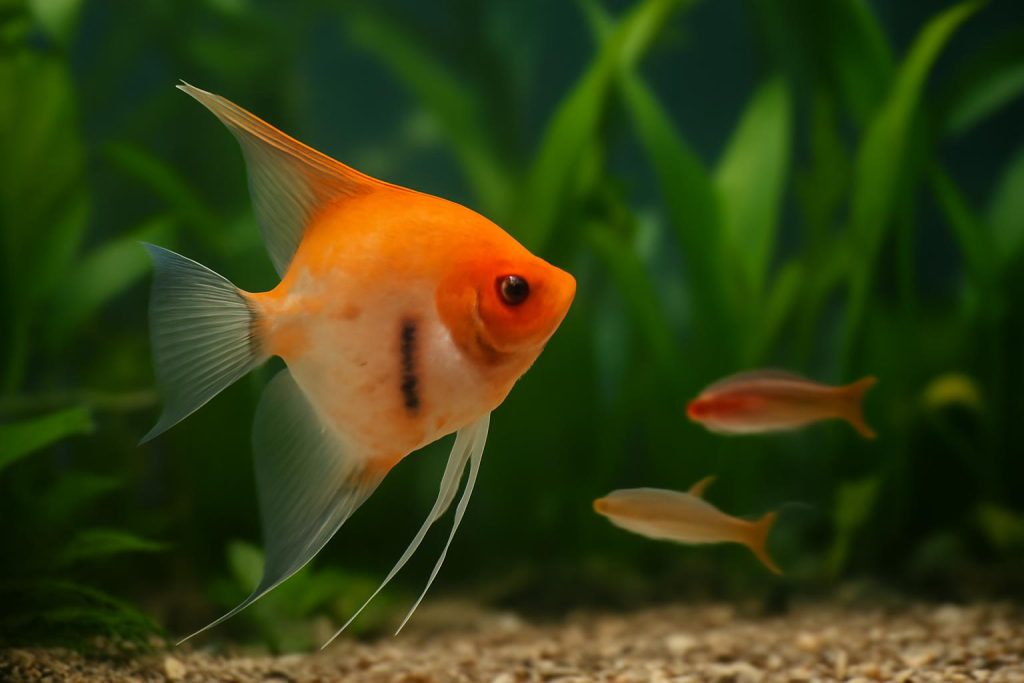
Common examples include many livebearers, angelfish, tetras, barbs, corydoras, bettas, discus strains, African cichlids, and ornamental freshwater shrimp. Captive breeding can reduce collection pressure on wild populations and make desirable traits more consistently available.
Captive-bred does not always mean “easy,” however. Some fish may have specific water, temperature, diet, or social requirements. Selective breeding can also produce delicate body shapes or colour varieties that require careful husbandry. Buyers should evaluate the individual species rather than relying on the source label alone.
Why some wild-caught fish are appropriate
Wild-caught fish can be an important and legitimate part of the aquarium trade when collection is legal, carefully managed, and properly documented. Some species are difficult to breed at commercial scale, while others may display natural behaviours or patterns that are not commonly seen in captive-bred lines.
Wild fish may include certain plecos, catfish, dwarf cichlids, killifish, gobies, rasboras, and other specialty species. They can be more sensitive to transport, unfamiliar foods, or rapid changes in water chemistry, so they may require additional preparation and observation.
The key question is not simply whether a fish is wild-caught. Ask whether the source is transparent, whether the species is suitable for your experience level, and whether you can provide the conditions it needs for the long term.
Questions to ask before buying fish online in Canada
A reputable online fish store should make it reasonably easy to find or request basic information. Before purchasing, consider asking the following questions:
- Is the fish captive-bred, farm-raised, or wild-caught?
- What is the approximate current size and expected adult size?
- What temperature and water conditions has the fish been kept in?
- Is the fish eating prepared food?
- How is the fish packaged for transport?
- Which delivery options are available for my province or city?
- Are shipping dates adjusted during severe winter or summer weather?
- What is the procedure if a shipment arrives in poor condition?
- Does the species require a species-only aquarium or specialized tank mates?
These questions are particularly important when purchasing large predators, monster fish, African cichlids, discus, puffers, eels, bichir, crayfish, or other livestock with specialized care needs. A fish may be healthy and responsibly sourced but still be a poor match for a particular aquarium.
Look beyond the purchase price
The lowest listed price is not always the best value. A responsible purchase includes the cost of preparing the aquarium, maintaining stable water quality, feeding the fish appropriately, and providing adequate space as it grows.
For example, a juvenile red tail catfish may appear manageable at first, but its eventual size and waste production require a very different setup from a school of small tetras. Similarly, a group of African cichlids may need carefully planned rockwork, filtration, and social balance. Discus may require stable warm water and a consistent feeding routine, while freshwater shrimp need protection from unsuitable tank mates and sudden parameter changes.
Before ordering, calculate the long-term cost of the aquarium rather than focusing only on the livestock price. This approach supports better welfare and helps prevent fish from being rehomed when their requirements become clear.
How to recognize useful product information
Product descriptions should help you make a decision, not simply encourage an impulse purchase. Look for descriptions that identify the fish clearly and explain relevant care factors. Useful information may include:
- Common name and scientific name where applicable
- Approximate size at sale
- Expected adult size
- Temperament and compatibility notes
- Recommended aquarium size
- Diet and feeding preferences
- Temperature and water-quality expectations
- Whether the species is best kept alone, in pairs, or in a group
When browsing a broad inventory, use the store’s available product categories as a starting point, then research the specific species before ordering. Categories can help you compare schooling fish, bottom dwellers, cichlids, shrimp, snails, frogs, goldfish, koi, and larger predators, but the final decision should be based on the individual animal’s care requirements.
Responsible shipping across Canada
Live fish shipping requires more planning than ordinary parcel delivery. Canadian weather can change quickly, and a shipment may pass through several temperature zones before reaching its destination. Responsible shipping practices should account for season, forecast, transit time, packaging, and delivery timing.
In winter, insulated packaging and heat packs may be appropriate, but heat packs must be used correctly. Excess heat can also be dangerous, particularly when a parcel is delayed or when several bags are packed closely together. In summer, insulation can help buffer temperature changes, but extreme heat may require a different shipping date.
Buyers can support safer transport by providing an address where someone can receive the package, monitoring tracking information, and following the seller’s instructions. Have the aquarium ready before ordering so the fish does not remain in shipping water longer than necessary.
When the shipment arrives, inspect the package promptly. Follow the seller’s live-arrival instructions, document any concern with clear photographs when requested, and avoid opening bags repeatedly or delaying acclimation. A calm, organized receiving process gives livestock the best chance of settling successfully.
Do not release unwanted aquarium fish
One of the most important principles of responsible fishkeeping is never releasing aquarium fish, plants, snails, shrimp, crayfish, or other organisms into natural waterways. A species that is harmless in a home aquarium may become invasive or disrupt native ecosystems if it survives outdoors.
Do not flush fish or pour aquarium water into ponds, rivers, storm drains, or other natural environments. If you can no longer keep an animal, contact the original seller, a reputable aquarium club, a public aquarium, or an experienced local hobbyist to discuss rehoming options. Always follow applicable Canadian, provincial, and municipal requirements.
Responsible ownership also includes avoiding the purchase of species that you cannot legally keep in your area. Regulations may vary by province, territory, municipality, or species. When in doubt, confirm the rules before ordering rather than relying on assumptions or social-media advice.
Build a sourcing checklist for your aquarium
A simple checklist can make online fish shopping more deliberate. Before adding an item to your cart, confirm the following:
- Tank readiness: The aquarium is cycled, stable, covered when necessary, and large enough for the fish at maturity.
- Compatibility: Existing inhabitants will not harass, eat, or outcompete the new arrival.
- Diet: You have suitable food, such as quality pellets, frozen food, live foods, or specialized diets.
- Water conditions: You can maintain the required temperature, pH, hardness, oxygenation, and cleanliness.
- Source information: You understand whether the fish is captive-bred, farm-raised, or wild-caught.
- Shipping plan: Someone can receive the parcel and you are prepared for seasonal conditions.
- Quarantine plan: You have a separate, properly equipped space if quarantine is appropriate.
- Long-term plan: You can care for the fish throughout its adult life, not only while it is small.
You can review current livestock and aquarium supplies through the store’s product listing, then contact the team if you need clarification about availability, care, or shipping. A thoughtful conversation before purchase is often more valuable than a rushed order.
Frequently asked questions
Is buying wild-caught fish always unethical?
No. Wild-caught fish can be responsibly collected when the trade is legal, properly managed, and supported by accurate information. The species, collection method, population status, and seller transparency all matter. Buyers should also consider whether they can meet the needs of a wild fish after transport.
Are captive-bred fish always healthier?
Captive-bred fish may be accustomed to prepared foods and aquarium conditions, but health depends on breeding quality, handling, transport, and ongoing care. A responsible source and a prepared aquarium are important regardless of origin.
How can I make online fish purchases safer?
Choose a seller that provides clear livestock information, communicates about shipping, and explains live-arrival procedures. Order only when your aquarium is ready, select a delivery date with suitable weather, and be available to receive the shipment promptly.
What should I do if I am unsure whether a species is suitable?
Pause the purchase and ask questions before ordering. Confirm the fish’s adult size, temperament, diet, water requirements, and compatibility. It is better to choose a different species than to discover after delivery that the aquarium cannot support it.
A better future for aquarium keeping
Responsible fish sourcing in Canada begins with informed choices. When aquarists ask where livestock comes from, prepare suitable aquariums, support careful transport, and refuse to release unwanted organisms, they help improve the hobby for everyone.
Whether you are searching for freshwater fish for sale in Canada, aquarium invertebrates, aquatic plants, African cichlids, discus, schooling fish, or rare monster fish, choose livestock that fits your experience and your long-term plans. Healthy aquariums are built through preparation, honest information, and respect for the animals we keep.
