
L155 Adonis Pleco (Acanthicus adonis) for Sale in Canada
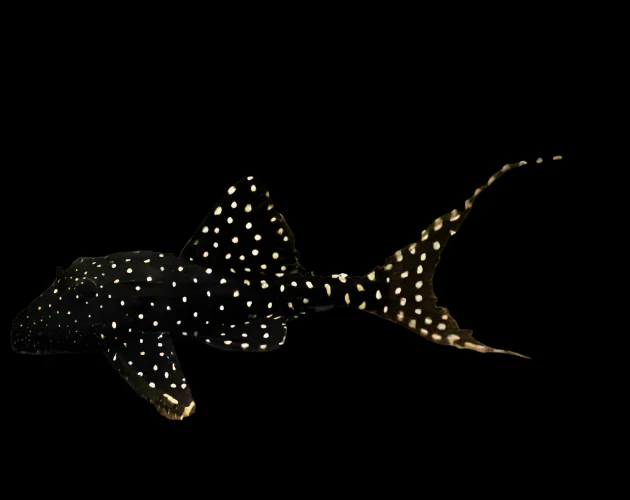
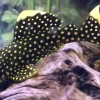
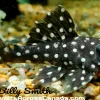
The L155 Adonis Pleco (Acanthicus adonis) is an impressive and highly sought-after South American L-number pleco known for its dramatic black body, contrasting white spots, long flowing fins, and distinctive thorn-like appearance. It is one of the standout species for experienced pleco keepers and collectors who appreciate large, unusual freshwater catfish.
Unlike smaller community plecos, the Adonis Pleco is a large-growing species that requires substantial aquarium space as it matures. Its striking appearance makes it particularly desirable for large freshwater aquariums designed around impressive bottom-dwelling fish.
The L155 benefits from excellent filtration, strong oxygenation, good water movement, hiding places, and a varied diet. Providing appropriate caves, driftwood, rocks, and open bottom territory helps create a secure environment.
Monster Aquarium Canada offers the L155 Adonis Pleco for Canadian aquarists searching for rare L-number plecos and spectacular South American freshwater fish.
Why Choose an L155 Adonis Pleco?
A Spectacular Large-Growing L-Number Pleco
The L155 stands out because of its combination of size, pattern, fins, and impressive body armour.
Key Features
- Scientific name: Acanthicus adonis
- Common name: Adonis Pleco
- L-number: L155
- Dramatic black coloration
- Contrasting white spots
- Long, flowing fins
- Thorn-like body structure
- Armoured catfish
- Large-growing species
- Generally peaceful toward suitable tank mates
- Highly desirable collector pleco
- Excellent choice for experienced aquarists
Individual specimens can vary in spot density, coloration, and fin development.
How Large Does an L155 Adonis Pleco Grow?
Prepare for a Very Large Adult
The Adonis Pleco is one of the large-growing L-number plecos. Adults can reach approximately 18–24 inches (45–60 cm), with exceptional specimens potentially becoming even larger.
This makes long-term planning particularly important.
A small juvenile may initially appear easy to accommodate, but it can eventually become a substantial aquarium inhabitant.
Plan for Adult Growth
Your long-term aquarium should provide:
- Very large floor space
- Powerful biological filtration
- Excellent mechanical filtration
- Strong oxygenation
- Good water movement
- Large caves
- Substantial driftwood
- Open swimming and bottom areas
- Secure aquarium décor
Aquarium Size and Setup
A Large Aquarium Is Essential
Because Acanthicus adonis can become extremely large, a very large aquarium is required for adult specimens. For a mature Adonis Pleco, aquariums in the 200-gallon-plus range are much more appropriate than standard community tanks, with even larger systems preferable for exceptionally large fish.
The exact aquarium requirement depends on the adult’s size, footprint, filtration, tank mates, and overall aquascape.
Recommended Aquarium Features
- Oversized biological filtration
- Powerful mechanical filtration
- Strong circulation
- High oxygenation
- Large caves
- Heavy-duty driftwood
- Smooth rocks
- Open bottom territory
- Secure decorations
- Strong aquarium stand and equipment
Avoid overcrowding the aquarium with heavy décor that unnecessarily reduces swimming and resting space.
Water Parameters
Basic L155 Adonis Pleco Care
- Scientific Name: Acanthicus adonis
- Common Name: L155 Adonis Pleco
- L-Number: L155
- Potential Adult Size: Approximately 18–24 inches (45–60 cm)
- Origin: South America
- Temperature: Approximately 25–29°C (77–84°F)
- pH: Approximately 6.0–7.5
- Water Hardness: Soft to moderately hard
- Care Level: Advanced
- Temperament: Generally peaceful but potentially territorial
- Diet: Omnivorous
- Swimming Level: Bottom
- Activity: Primarily nocturnal or crepuscular
Stable water chemistry, excellent filtration, and high oxygenation should be priorities.
What Does an L155 Adonis Pleco Eat?
Provide a Varied Diet
The Adonis Pleco benefits from a varied diet containing both plant-based and protein-rich foods.
Recommended Foods
- High-quality sinking pleco pellets
- Algae wafers
- Spirulina-based foods
- Vegetable-based sinking foods
- Blanched zucchini
- Cucumber
- Green beans
- Specialized pleco foods
- Occasional protein-rich foods
Feeding a Growing Adonis Pleco
Large-growing plecos have substantial nutritional requirements. Feed appropriately for the fish’s size while avoiding excessive food that can deteriorate water quality.
Feeding after lights are dimmed can encourage more natural behaviour.
Behaviour and Temperament
An Impressive Nocturnal Bottom Dweller
The L155 is generally peaceful with appropriately sized tank mates but can become territorial toward other large bottom-dwelling fish.
It may spend daylight hours resting in caves or beneath driftwood and become significantly more active after dark.
You may see it:
- Exploring caves
- Moving across rocks
- Grazing surfaces
- Searching for food
- Investigating driftwood
- Patrolling its territory
Because of its eventual size, even normally peaceful behaviour can become significant in a crowded aquarium.
Compatible Tank Mates
Choose Large, Peaceful Tank Mates
Tank mates should be selected according to the Adonis Pleco’s eventual size and environmental requirements.
Potential companions can include:
- Large peaceful South American fish
- Large peaceful cichlids
- Silver Dollars
- Robust larger tetras
- Compatible large catfish
- Other appropriately sized tropical fish
Avoid
- Small fish that could become prey
- Highly aggressive fish
- Fin-nipping species
- Excessively territorial bottom dwellers
- Multiple large plecos without sufficient territory
Always consider the adult size of every fish, not its juvenile size.
L155 Adonis Pleco in a Natural Aquarium
Build Around Wood, Rocks and Caves
A large natural-style aquarium can showcase the L155 beautifully.
Consider using:
- Large driftwood
- Smooth river rocks
- Oversized caves
- Rock formations
- Shaded areas
- Open bottom space
- Strong water circulation
Because the Adonis Pleco can become extremely large, all decorations should be securely positioned to prevent accidental collapse.
Breeding L155 Adonis Plecos
A Specialist Breeding Project
Breeding Acanthicus adonis is best suited to advanced aquarists with large dedicated systems.
Important considerations include:
- Mature compatible adults
- Very large caves
- Excellent water quality
- Strong oxygenation
- Stable temperatures
- Nutritious food
- Adequate territory
- Minimal stress
Large breeding caves and sufficient space become increasingly important as the fish matures.
Why Buy an L155 Adonis Pleco from Monster Aquarium Canada?
A True Collector’s L-Number Pleco
Monster Aquarium Canada specializes in rare freshwater fish, L-number plecos, unusual tropical fish, monster fish, aquarium foods, medications, and specialist aquarium supplies.
The L155 Adonis Pleco is an excellent choice for experienced aquarists who want a truly impressive freshwater catfish with dramatic markings and exceptional adult size.
Plan for the Future
The most important consideration before purchasing an L155 is its potential adult size of around 18–24 inches or more.
Make sure your aquarium, filtration system, décor, and maintenance routine can accommodate a very large pleco throughout its entire life.
Frequently Asked Questions
1. What is an L155 Adonis Pleco?
The L155 Adonis Pleco is Acanthicus adonis, a large South American L-number pleco known for its dark body, white spotting, long fins, and thorn-like appearance.
2. How large does an Adonis Pleco grow?
An L155 can reach approximately 18–24 inches (45–60 cm), with some individuals potentially becoming larger.
3. Is the L155 Adonis Pleco peaceful?
It is generally peaceful toward suitable tank mates but may become territorial toward other large bottom-dwelling fish.
4. What does an L155 Adonis Pleco eat?
It benefits from sinking pleco foods, algae and spirulina-based foods, vegetables, and occasional protein-rich foods.
5. What aquarium size does an adult Adonis Pleco need?
Because of its exceptional adult size, an adult should be housed in a very large aquarium, generally 200 gallons or larger, with substantially larger systems preferred for very large specimens.
Be the first to review “L155 Adonis Pleco for Sale in Canada | Buy Acanthicus adonis”
Related products
Dwarf American Cichlids
Umbrella Dwarf Cichlid Opal (Apistogramma borellii Opal) for Sale Canada | Rare Dwarf Cichlid
All American Cichlids
Dwarf American Cichlids
Agassiz’s Dwarf Cichlid (Apistogramma agassizii) for Sale Canada | Premium Apistogramma
Dwarf American Cichlids
Electric Blue Golden Ram (Mikrogeophagus ramirezi) for Sale Canada | Premium Ram Cichlid
Dwarf American Cichlids
Apistogramma Cacatuoides Double Red for Sale Canada | Double Red Cockatoo Dwarf Cichlid
Predatory and Monster fish
Baby Dolphin Fish (Mormyrus tapirus) for Sale Canada | Rare African Elephantnose Relative
Dwarf American Cichlids
Royal Acara (Aequidens diadema “Rio Itaya”) for Sale Canada | Rare South American Cichlid
Reviews
There are no reviews yet.