
Uncategorized
How to Ship Live Fish Across Canada in Winter: A Practical Aquarist’s Guide
Oct
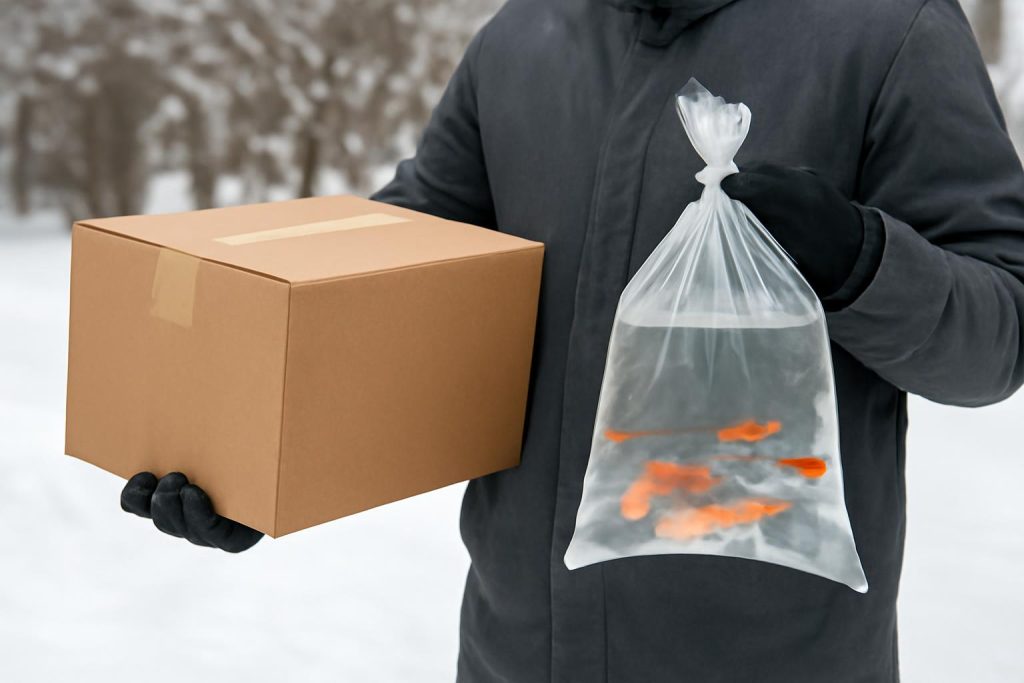
For aquarists across Canada, winter creates a familiar challenge: how do you safely ship live fish when temperatures can swing from mild to dangerously cold? From coastal British Columbia to the Prairies, Ontario, Quebec, and Atlantic Canada, a successful winter delivery depends on more than putting a bag inside a box. Timing, insulation, heat management, carrier schedules, and careful acclimation all matter.
That is why choosing an experienced online fish store in Canada is important when ordering freshwater fish, aquarium invertebrates, or aquatic plants during the colder months. A knowledgeable seller should consider the species, route, forecast, packaging requirements, and delivery timing before an order leaves the facility.
This guide explains how to ship live fish across Canada in winter, what buyers can do before placing an order, and how to give new arrivals the best possible start at home.
Why winter fish shipping requires extra planning
Fish are transported in a small, enclosed environment for a limited period. During that journey, the shipping container may be exposed to heated warehouses, delivery vehicles, loading docks, and outdoor temperatures. Sudden temperature changes can be stressful even when the water does not freeze.
Cold weather also increases the likelihood of transportation delays. Snow, freezing rain, storms, and reduced carrier capacity can extend a trip beyond the expected delivery window. A shipment that normally arrives quickly may spend additional time in a sorting facility or vehicle.
Some species tolerate cooler conditions better than others, but this does not mean every fish is suitable for winter transport. Tropical fish such as discus, angelfish, gouramis, tetras, many plecos, and some dwarf cichlids require particularly careful temperature management. Sensitive shrimp and other invertebrates may also need specialized packaging and a stable delivery schedule.
How professional live fish shipping works in cold weather
1. Selecting an appropriate shipping day
Responsible shipping starts before the fish is bagged. Sellers typically review the forecast at the origin, along the route, and at the destination. A short delay before shipping is often safer than sending livestock into a severe weather system.
Orders are commonly scheduled so that fish spend as little time as possible in transit and are less likely to sit over a weekend. Exact practices vary by seller and carrier, so Canadian buyers should review the store’s shipping schedule before ordering.
2. Using insulated packaging
Live fish are usually packed in sturdy shipping boxes with insulation designed to slow temperature loss. Insulation does not create heat; it helps protect the contents from rapid changes in temperature.
Depending on the species and conditions, packaging may include insulated liners, extra padding, oxygen-filled bags, and a heat pack. The goal is to create a stable environment for the duration of the journey without allowing the package to become excessively hot.
3. Adding heat packs correctly
Heat packs can be useful during winter, but they must be selected and positioned carefully. A heat pack that is too powerful, poorly ventilated, or placed directly against a fish bag can create an unsafe hot spot. A pack that loses effectiveness too quickly may provide little protection during a delay.
Heat packs also require oxygen to function. Packaging should therefore allow appropriate airflow while still protecting the shipment. This is one reason experienced livestock shippers use purpose-designed packing methods rather than adding a household warmer to a box.
4. Packing fish with enough water and oxygen
Fish are generally shipped in bags with enough water for their size and species, with oxygen added to support them during transit. The amount of water, bag size, and number of fish per bag all influence water quality and stress.
Overcrowding is especially risky because fish consume oxygen and release waste. Species that are territorial, spiny, or prone to damaging bags may require additional protection. Invertebrates may also need different packing methods than fish.
What Canadian buyers should check before ordering
Before you buy fish online in Canada during winter, take a few minutes to confirm that your order can be received safely.
- Check the forecast: Look at conditions in your city on the expected delivery date, not only the temperature on the day you order.
- Confirm the delivery address: Use an address where someone can receive the package promptly. Avoid unattended porch delivery during extreme cold.
- Ask about shipping days: Find out when livestock orders are normally dispatched and whether weekend or holiday delays are possible.
- Review the live-arrival policy: Understand the required documentation, reporting period, and conditions before placing an order.
- Prepare the aquarium: Never order fish for an uncycled or unstable aquarium simply because the species is available.
If you are comparing livestock, food, water conditioners, plants, and equipment in one place, you can begin with the Monster Aquarium Canada online store and review the current selection before deciding what suits your aquarium.
Which fish are best suited to winter delivery?
There is no universal list of fish that are safe to ship in every Canadian winter. Suitability depends on the species, size, health, packaging, route, and forecast. Healthy, well-established fish are generally better candidates than newly imported or visibly stressed specimens.
Hardy community fish such as some danios, barbs, rasboras, livebearers, and selected catfish may be more forgiving of short-term transport stress. However, “hardy” does not mean invulnerable. A tropical fish can still be harmed by prolonged exposure to cold or by rapid temperature changes.
More delicate livestock, including discus, wild-caught fish, delicate shrimp, fry, and certain specialty species, may require stricter shipping conditions. Large predators and monster fish also need specialized packaging because of their size, strength, spines, or waste production.
When choosing livestock, consider the entire system rather than the delivery alone. A fish that arrives safely may still struggle if the aquarium has unsuitable temperature, water chemistry, tank mates, filtration, or space.
Prepare your aquarium before the fish arrives
Stabilize water parameters
Test temperature, ammonia, nitrite, nitrate, pH, and any other parameters relevant to the species. Ammonia and nitrite should be zero in an established aquarium. The temperature should be stable rather than adjusted dramatically at the last minute.
Set up a quarantine option
A separate quarantine aquarium is valuable for observing new fish before they join an established community. It can help you monitor appetite, breathing, swimming behaviour, waste, and signs of illness while reducing the risk of introducing problems to the display aquarium.
Reduce stress in the room
Turn down bright lights, keep pets and children away from the acclimation area, and have the required supplies ready. You may need a clean bucket, specimen container, thermometer, water conditioner, net, and prepared quarantine tank.
What to do when a winter fish shipment arrives
Bring the package indoors immediately. Do not open it outside, in a cold garage, or beside an open door. If the box feels cold, allow it to rest in a warm, draft-free room while you organize the aquarium and inspect the packaging.
Document the condition of the box before opening it if there is visible damage. Follow the seller’s live-arrival instructions carefully. If the policy requires photographs, take clear images promptly and retain the packaging until the seller confirms that it is no longer needed.
Use temperature acclimation carefully
Open the outer packaging and check the bags. If a heat pack was included, do not place it directly against the fish or immerse it in water. Measure the temperature of the shipping water and compare it with the aquarium or quarantine tank.
For a moderate temperature difference, floating the sealed bag may help equalize temperature. However, if the bag water is significantly colder, floating it for a long period can expose the fish to poor water quality as carbon dioxide escapes and pH changes. In that situation, ask the seller for species-specific instructions or use a controlled acclimation method.
Do not pour shipping water into the aquarium. Once temperature acclimation is complete, transfer the fish with a clean net or container and discard the transport water. Keep the lights low and allow the fish to settle.
Do not feed immediately
Many fish benefit from several hours of quiet before their first meal. Feeding immediately after a stressful journey can add unnecessary waste to the aquarium. Once the fish is swimming normally and shows interest, offer a small amount of appropriate food.
Signs of transport stress versus an emergency
It is normal for newly delivered fish to hide, breathe somewhat faster, or show muted colours for a short time. Stress should gradually decrease as the fish adjusts to clean, stable water.
More serious signs include persistent gasping, rolling, inability to remain upright, severe bloating, repeated loss of balance, or a fish that is completely unresponsive. Check temperature and water quality first, then contact the seller promptly according to the live-arrival policy.
Avoid adding medications, salt, or household remedies automatically. Treatments should match the species and the symptoms. Some fish, shrimp, scaleless species, and plants can react poorly to products that are safe for other aquarium inhabitants.
How to make winter shipping safer across Canada
Canada’s size makes route planning especially important. A shipment travelling between nearby cities may face very different conditions from one crossing several provinces. Buyers in northern or rural areas should ask about carrier service levels, delivery timing, and pickup options where available.
For particularly cold weather, direct delivery to a staffed location may be safer than leaving a parcel outside. Some aquarists also arrange delivery to a workplace, concierge desk, or carrier pickup point where the package can be collected quickly. Always confirm that the selected option is permitted under the seller’s shipping policy.
It is also sensible to combine livestock planning with supply planning. Having fish food, water conditioner, bacterial supplements, test kits, and a quarantine setup ready reduces the temptation to improvise after the box arrives. You can explore broader livestock and aquarium categories through the site’s aquarium product category directory.
Frequently asked questions
Can fish be shipped in Canada during winter?
Yes, live fish can be shipped during winter when the species, weather, packaging, carrier timing, and destination are suitable. Extreme cold, major storms, and likely delays may make postponing shipment the safer choice.
Are heat packs always included with winter fish orders?
Not necessarily. Packaging decisions vary by species, forecast, route, and seller. Ask before ordering rather than assuming a heat pack will be included.
How long can fish survive in a shipping bag?
There is no single safe time for every fish. Bag volume, oxygen, temperature, species, size, waste production, and delays all matter. Shorter transit is generally preferable, but proper packing is just as important.
Should I feed fish as soon as they arrive?
Usually, no. Give new arrivals time to settle and check that they are breathing and swimming normally. A small meal later is often more appropriate than feeding immediately.
What should I do if a fish arrives deceased?
Follow the seller’s live-arrival policy immediately. Take the requested photographs, record the condition of the package if relevant, and contact the seller within the stated reporting window. Do not discard the packaging or livestock until instructions are provided.
A safer approach to buying fish online in winter
Winter fish delivery is manageable when both the seller and buyer plan carefully. Choose healthy livestock suited to your aquarium, watch the forecast, arrange a prompt delivery, prepare stable water, and follow acclimation instructions rather than rushing.
For aquarists across Canada, an online fish store can provide access to freshwater fish, African cichlids, discus, schooling fish, catfish, plecos, shrimp, snails, aquatic plants, and aquarium supplies that may not be available locally. The key is to treat shipping as part of fish care—not as a separate step after the purchase.
For additional livestock ideas and species-specific browsing, review the store’s current aquarium product listings and compare each fish’s adult size, temperament, water requirements, diet, and space needs before placing an order.
