Uncategorized
Freshwater Fish Compatibility in Canada: How to Build a Healthy Community Aquarium
Oct
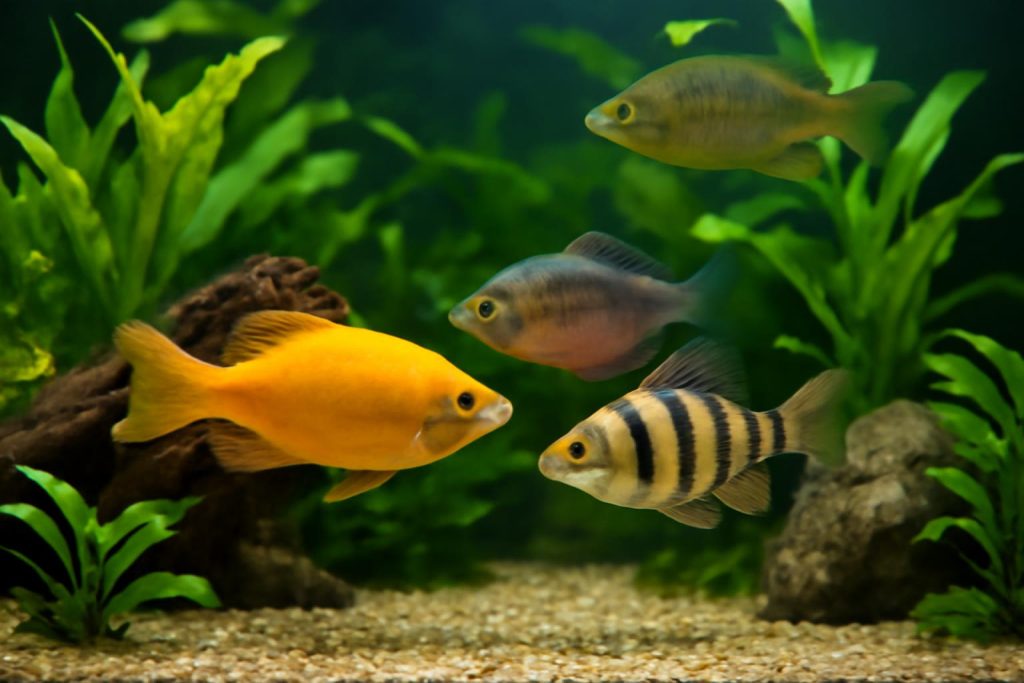
Choosing fish for a new aquarium can be exciting, but compatibility should come before colour, rarity, or impulse purchases. A peaceful-looking community tank may become stressful if its residents need different water conditions, compete for food, or mature into aggressive or oversized adults.
For aquarists across Canada, planning is especially useful because livestock may be sourced from different regions and shipped to homes with very different tap water. Understanding freshwater fish compatibility in Canada helps you select species that can thrive together and makes the transition from a tropical fish store to your aquarium much more successful.
This guide explains the key factors to compare before buying freshwater fish, including temperament, adult size, water parameters, swimming level, diet, and quarantine needs.
What freshwater fish compatibility really means
Compatible fish are not simply species that avoid fighting on the first day. A suitable combination should remain manageable as the fish grow and should allow every resident to feed, rest, and behave naturally.
Good compatibility usually includes:
- Similar temperature and water chemistry requirements
- Temperaments that do not create constant harassment
- Adult sizes that are appropriate for the aquarium
- Compatible feeding habits and diets
- Enough swimming space, cover, and territory
- Different species occupying the tank without excessive competition
Some fish are peaceful in one setup but unsuitable in another. A small tetra may work well with peaceful dwarf cichlids, for example, but could become food for a growing predator. Likewise, a semi-aggressive fish may be manageable in a spacious aquarium with carefully chosen tank mates but disruptive in a small, crowded aquarium.
Start with your aquarium, not the fish
Before browsing freshwater fish available from an online fish store in Canada, write down the basic details of your aquarium. This prevents attractive but unsuitable species from determining your stocking plan.
Record the tank dimensions and volume
Actual swimming length is often more important than total litres. Active fish such as larger barbs, rainbowfish, and many American cichlids need horizontal room. Tall aquariums may be attractive, but they do not provide the same swimming space as a longer tank with a similar volume.
Also consider the aquarium’s future capacity. A juvenile fish may look appropriate when purchased but eventually require a much larger environment. This is particularly important with angelfish, discus, plecos, large catfish, predatory fish, and monster fish.
Test your source water
Test pH, general hardness, carbonate hardness, ammonia, nitrite, and nitrate before selecting fish. Municipal water can vary substantially between Canadian communities, and seasonal changes or household plumbing may affect results.
Do not chase a specific pH number simply because it appears in a care sheet. Stability is usually more valuable than constant adjustment. Choose fish that are naturally suited to your water where possible, then make gradual, informed changes only when necessary.
Confirm that the aquarium is cycled
A compatible stocking plan cannot compensate for an immature biological filter. Ammonia and nitrite should be consistently undetectable before fish are added. Add livestock gradually so beneficial bacteria can adapt to the increasing waste load.
Water conditioners, bacterial supplements, test kits, and other aquarium water-quality products and care categories can support a reliable maintenance routine, but they do not replace testing or regular water changes.
Compare temperament before adding tank mates
Temperament is one of the most important parts of freshwater fish compatibility. Consider how a species behaves when feeding, defending territory, breeding, and settling into a new aquarium.
Peaceful community fish
Many tetras, rasboras, danios, smaller rainbowfish, livebearers, corydoras, and some gouramis can work in community aquariums. However, peaceful does not mean every combination is suitable. Fast-moving danios may outcompete slow feeders, while long-finned fish can be harassed by fin-nipping species.
Peaceful schooling fish should generally be kept in an appropriate group rather than as isolated individuals. A proper group can reduce nervous behaviour and encourage natural activity.
Semi-aggressive fish
Some barbs, larger gouramis, dwarf cichlids, and other territorial species may be suitable for experienced aquarists who plan carefully. Their success depends on aquarium size, décor, sex ratio, hiding places, and the personalities of individual fish.
When keeping semi-aggressive fish, use plants, wood, rocks, and visual barriers to interrupt direct lines of sight. Adding territories and rearranging décor before introducing new fish can reduce the advantage held by an established resident.
Territorial and predatory fish
African cichlids, American cichlids, puffers, bichir, eels, larger catfish, and other predators require more specialized planning. A fish may not be aggressive toward a tank mate but may still swallow it once the size difference becomes significant.
Never judge compatibility only by the size of a fish at purchase. Compare the expected adult size, mouth size, activity level, and feeding response. A peaceful young predator can become a serious threat as it matures.
Match adult size and body shape
“If it fits in the mouth, it is food” is a useful rule for mixed aquariums. Even fish that coexist when young may become incompatible as one species grows faster than another.
Research the adult size of every planned species and allow room for growth. Pay attention to body depth as well as length. A deep-bodied fish may be difficult for a predator to swallow, while a slender fish of the same length may be vulnerable.
Large fish also produce more waste and may rearrange décor, uproot plants, or damage smaller tank mates through normal activity. If you are interested in unusual or oversized species, review current freshwater fish and specialty livestock listings with the aquarium’s long-term capacity in mind.
Match water temperature and chemistry
Most freshwater tropical fish are kept within a broadly similar temperature range, but “tropical” is not a complete compatibility guide. Some species prefer warmer water, while others do better at moderate temperatures with high oxygen levels.
Water chemistry also matters. Soft-water fish from forest streams may struggle in very hard, alkaline water over time, while many African cichlids are adapted to harder, more alkaline conditions. Livebearers often tolerate or prefer mineral-rich water, whereas certain sensitive species need stable, carefully maintained parameters.
When combining species, look for overlapping ranges rather than trying to create several different environments in one aquarium. Avoid frequent swings caused by aggressive pH correction, large temperature changes, or inconsistent water-change practices.
Plan the aquarium by swimming level
Using the surface, middle, and bottom zones can make a community aquarium more functional, but this approach is not a substitute for adequate space. Fish still need room to move and may use multiple levels throughout the day.
- Surface and upper water: hatchetfish, some danios, top-dwelling livebearers, and certain gouramis
- Midwater: tetras, rasboras, barbs, rainbowfish, angelfish, and many cichlids
- Bottom areas: corydoras, loaches, many catfish, and selected plecos
Bottom-dwelling fish still need suitable floor area, hiding places, and access to food. Avoid assuming that a bottom fish is automatically compatible with another bottom fish. Loaches may be active and social, plecos may become territorial, and larger catfish can eventually dominate the entire aquarium.
Consider feeding behaviour and diet
Different diets can be managed, but severe feeding competition creates ongoing stress. Fast surface feeders may consume food before shy bottom dwellers have a chance to eat. Nocturnal fish may need sinking foods after the aquarium lights dim.
Build a feeding plan around the species in your aquarium. Quality staple foods may be combined with species-appropriate pellets, frozen foods, live foods, or prepared diets such as Repashy when suitable. Feed small portions, observe the fish, and remove uneaten food before it affects water quality.
Specialist feeders, puffers, herbivorous fish, and predators may need diets that are not appropriate for a standard community aquarium. A fish should not be added unless you are prepared to provide its food consistently throughout its life.
Use plants, décor, and filtration to support compatibility
The physical layout of the aquarium can reduce conflict. Dense plants and floating cover help nervous fish feel secure, while caves and rockwork provide shelter for bottom dwellers and territorial species.
Arrange décor so fish can retreat without becoming trapped. Avoid sharp ornaments that can damage delicate fins, and make sure larger species cannot topple heavy structures. Live plants can also absorb nutrients and improve the appearance of the aquarium, although fast-growing or digging fish may require durable species and protected roots.
Filtration should provide effective biological capacity and appropriate circulation. Fish that prefer strong oxygenation and current may not suit slow-moving species that prefer calmer areas. Use the aquarium’s shape, décor, and filter outlets to create varied flow zones.
Quarantine new fish before community introduction
Quarantine is an important step whether you buy fish locally or choose to buy fish online in Canada. A separate, simple aquarium makes it easier to observe new arrivals, monitor appetite, and identify signs of illness before they enter an established display tank.
During quarantine, keep water clean and stable. Avoid medicating automatically without a clear reason, since unnecessary treatments can add stress or interfere with diagnosis. Observe breathing, swimming, body condition, fins, skin, and waste. A fish that looks healthy on arrival should still be watched for several days or longer according to your risk tolerance and biosecurity routine.
How to introduce new fish safely
- Prepare the display aquarium and confirm stable water parameters.
- Quarantine and observe the new fish separately when possible.
- Dim the aquarium lights before introduction.
- Rearrange décor if an established fish is strongly territorial.
- Release the new fish with minimal shipping water.
- Monitor closely for chasing, fin damage, hiding, or refusal to eat.
- Separate fish if harassment is continuous or injuries develop.
Some chasing is normal while a social order develops, but repeated attacks are not something fish should simply be expected to tolerate. Have a divider, spare aquarium, or other backup plan ready before adding a potentially territorial species.
Common compatibility mistakes to avoid
- Buying by appearance alone: beautiful fish may have specialized care needs or aggressive adult behaviour.
- Ignoring adult size: juvenile fish can hide their eventual space and waste requirements.
- Adding too many species: variety is not always better than a balanced, lightly stocked aquarium.
- Keeping social fish alone: many schooling or shoaling species need appropriate groups.
- Mixing incompatible water preferences: long-term stress may appear gradually rather than immediately.
- Adding fish to an uncycled aquarium: ammonia and nitrite can cause serious harm regardless of species.
- Assuming a cleanup crew solves maintenance: snails, shrimp, and catfish still produce waste and need suitable care.
Frequently asked questions
What are the best freshwater fish for a Canadian community aquarium?
There is no single best combination for every Canadian aquarium. Tetras, rasboras, danios, selected barbs, corydoras, peaceful livebearers, and some gouramis can be good choices when their adult size, temperature, water chemistry, and group requirements overlap with your setup.
Can fish from different regions live together?
Yes. Fish do not need to come from the same continent to share an aquarium. The important factors are compatible water parameters, temperature, temperament, adult size, diet, and space.
How many fish should I add at once?
Add livestock gradually rather than filling the aquarium immediately. This gives the biological filter time to adjust and allows you to identify compatibility problems before the tank becomes difficult to manage.
Are aquarium shrimp compatible with all peaceful fish?
No. Even peaceful fish may eat baby shrimp, and larger fish can consume adult shrimp. Provide dense cover and choose tank mates with care if you want a shrimp colony to reproduce.
What should I do if one fish is being bullied?
Check whether the aquarium is overcrowded, whether the species has enough companions, and whether décor creates hiding places. If chasing is persistent or injuries appear, separate the affected fish or the aggressor and reassess the stocking plan.
Build for long-term success
The most successful freshwater aquariums are planned around the needs of the fish rather than a fixed shopping list. Start with your water, aquarium dimensions, filtration, and maintenance routine. Then select species with overlapping requirements and enough space to mature comfortably.
Whether you are building a planted community aquarium, an African cichlid setup, a discus display, or a specialized predator tank, careful compatibility planning protects your investment and improves fish welfare. When you are ready to compare livestock and aquarium supplies, use the current Monster Aquarium Canada collection and choose fish that genuinely fit the environment you can provide.
