
Brichardi (Neolamprologus brichardi) – Fairy Cichlid for Sale in Canada
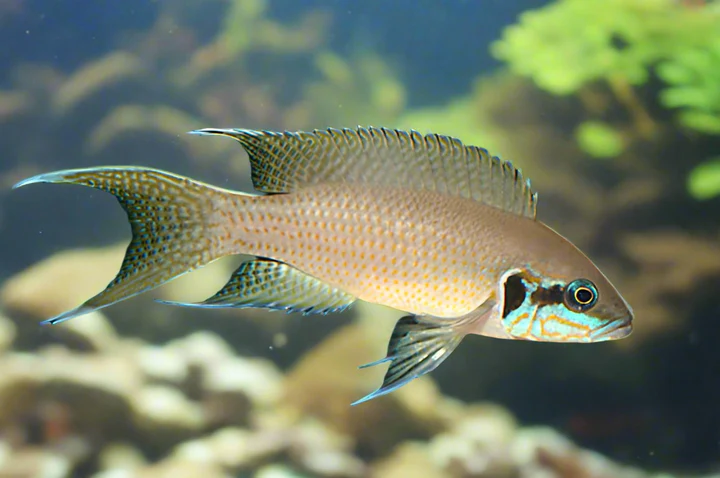
Discover one of Lake Tanganyika’s most fascinating and elegant African cichlids: Brichardi (Neolamprologus brichardi), commonly known as the Fairy Cichlid. Recognized for its graceful fins, distinctive facial markings and remarkable family-oriented behaviour, this species is an excellent choice for aquarists who appreciate intelligent, active and socially complex freshwater fish.
The Brichardi is especially popular among African cichlid enthusiasts because of its ability to form family groups and protect its offspring. Unlike many cichlids that become independent after breeding, Brichardi offspring may remain with their parents and help protect younger generations.
At Monster Aquarium Canada, we offer specialty freshwater fish for Canadian hobbyists building distinctive African cichlid aquariums. Whether you are an experienced Tanganyika keeper or looking to explore this fascinating group of fish, the Brichardi is a rewarding species to learn about and maintain.
Brichardi Cichlid Appearance and Characteristics
Elegant Body and Flowing Fins
The Brichardi has a slender, streamlined body with elongated dorsal, anal and caudal fins. Its overall appearance is elegant, particularly when swimming through open water or moving around a rocky aquarium.
Typical identifying features include:
-
Light beige, silver or pale tan body colour.
-
Dark markings around the face and eyes.
-
A distinctive dark marking near the gill area.
-
Elongated fins with delicate trailing extensions.
-
A forked tail with attractive extensions in mature specimens.
Its common name, Fairy Cichlid, reflects its graceful appearance and flowing fin structure.
Adult Size and Development
Brichardi generally reaches approximately 3–4 inches (7.5–10 cm) in adult length, although size varies with genetics, environment and individual development.
Young fish may display shorter fins and less pronounced markings. As they mature, their body proportions and fin extensions become more noticeable.
Males and females can be difficult to distinguish reliably when young. Mature individuals may show differences in body size and fin development, but these characteristics are not always dependable for sex identification.
Natural Habitat and Behaviour
Native to Lake Tanganyika
Neolamprologus brichardi originates from Lake Tanganyika in East Africa, one of the world’s oldest and most biologically diverse freshwater lakes.
In nature, Brichardi are associated with rocky habitats where they use crevices and sheltered areas for protection and breeding. Their natural environment influences their aquarium requirements, particularly the need for hard, alkaline water and suitable rockwork.
Fascinating Family Behaviour
One of the most remarkable characteristics of Brichardi is its cooperative family structure.
After breeding, older offspring may remain within the family territory and help defend younger siblings. These groups can include several generations of fish living together.
This behaviour makes the Brichardi particularly interesting for aquarists who enjoy observing natural social interactions.
Temperament and Territorial Behaviour
Although relatively small compared with many African cichlids, Brichardi can become highly territorial, particularly when breeding.
-
Temperament: Peaceful to moderately aggressive depending on circumstances.
-
Social behaviour: Forms family groups.
-
Breeding behaviour: Strong territory and offspring defence.
-
Activity: Active swimmer around rocks and open areas.
-
Compatibility: Best maintained in a carefully planned Tanganyika aquarium.
Do not underestimate their territorial behaviour. A breeding family may aggressively defend its territory against considerably larger fish.
Aquarium Setup and Tank Requirements
Recommended Aquarium Size
A 30-gallon aquarium can be a starting point for a carefully managed single pair or small group, depending on the fish and layout. A larger aquarium of 40–55 gallons or more is preferable when keeping a growing family group or planning a community aquarium.
Provide sufficient floor space and rockwork to create separate territories.
Rockwork and Aquascaping
A natural-looking Tanganyika aquarium should include plenty of securely arranged rocks and crevices.
Recommended aquarium features include:
-
Rock formations with multiple caves.
-
Fine sand or smooth aquarium substrate.
-
Open swimming areas.
-
Strong biological filtration.
-
Good water circulation and oxygenation.
-
Stable structures that cannot collapse.
Create several hiding places rather than a single dominant cave. This gives fish opportunities to retreat and can help reduce territorial disputes.
Keeping Brichardi in Groups
Brichardi can form fascinating family colonies, but group management requires planning. Once a breeding pair establishes a territory, other fish may be chased away from the preferred area.
Monitor the aquarium for persistent aggression, damaged fins and fish being prevented from accessing food or shelter.
Water Parameters for Neolamprologus Brichardi
Lake Tanganyika cichlids generally require hard, alkaline and stable water conditions.
| Parameter | Recommended range |
|---|---|
| Temperature | 75–80°F (24–27°C) |
| pH | 8.0–9.0 |
| General hardness | Approximately 10–20 dGH |
| Carbonate hardness | Approximately 10–15 dKH |
| Ammonia | 0 ppm |
| Nitrite | 0 ppm |
| Nitrate | Preferably below 20 ppm |
These are practical aquarium targets, not a reason to make sudden adjustments to an established tank. Stability is essential.
Perform regular partial water changes and maintain efficient biological filtration. Avoid introducing Brichardi into an immature or unstable aquarium.
Feeding and Nutrition
A Varied Diet for Healthy Brichardi
Brichardi are small predators and opportunistic feeders that consume tiny aquatic invertebrates and other suitable foods in nature.
In the aquarium, offer a varied diet containing:
-
Quality small African cichlid pellets.
-
Fine sinking cichlid granules.
-
Frozen brine shrimp.
-
Frozen mysis shrimp.
-
Daphnia.
-
Suitable small insect larvae.
-
High-quality formulated foods for small carnivorous or omnivorous cichlids.
Feed small portions once or twice daily, depending on the fish’s condition and feeding response.
For juveniles, use appropriately sized food that can be swallowed comfortably. Avoid overfeeding and remove uneaten food to protect water quality.
Tank Mates and Compatibility
Suitable Lake Tanganyika Companions
Brichardi are best kept with fish that have similar water requirements and can tolerate their territorial behaviour.
Potential tank mates may include carefully selected Lake Tanganyika species with compatible size, temperament and habitat preferences.
However, compatibility depends heavily on the aquarium layout and breeding status of the Brichardi.
Avoid:
-
Very small fish that may be eaten.
-
Highly aggressive cichlids.
-
Fish that require soft, acidic water.
-
Slow or timid fish that cannot compete for food.
-
Other territorial species competing for the same caves.
A species-only aquarium is often the simplest and most rewarding way to observe Brichardi family behaviour.
Breeding and Parental Care
Brichardi are substrate-spawning cichlids. They commonly lay eggs in sheltered areas such as caves or rock crevices.
Both parents participate in protecting the eggs and young fish. Older offspring may also help defend and care for younger siblings, creating a cooperative family colony.
If breeding is not your goal, be prepared for population growth. A successful pair can produce repeated broods, and the aquarium may eventually require additional space.
Why Choose Brichardi from Monster Aquarium Canada?
The Brichardi (Neolamprologus brichardi) is an excellent choice for aquarists interested in the natural behaviour of African cichlids. Its graceful appearance, distinctive facial markings and cooperative family structure make it much more than simply another colourful aquarium fish.
Monster Aquarium Canada focuses on specialty freshwater livestock for Canadian aquarium enthusiasts. Before ordering, confirm current availability, actual specimen size, photographs, sex if known and delivery eligibility for your province or territory.
Provide a mature aquarium, stable Tanganyika water conditions, suitable rockwork and a balanced diet to support a healthy and rewarding experience.
Frequently Asked Questions
1. What is a Brichardi cichlid?
Brichardi, scientifically known as Neolamprologus brichardi, is a small Lake Tanganyika cichlid commonly called the Fairy Cichlid because of its elegant body shape and flowing fins.
2. How large does Neolamprologus brichardi grow?
Adults commonly reach approximately 3–4 inches (7.5–10 cm). Individual size varies depending on genetics, nutrition and aquarium conditions.
3. Can Brichardi live in groups?
Yes. Brichardi are known for forming family colonies in which older offspring may help protect younger fish. However, territorial behaviour increases around breeding sites, so provide sufficient space and shelter.
4. What water conditions does Brichardi need?
Brichardi prefers warm, hard and alkaline water. A practical target is 75–80°F, pH 8.0–9.0 and stable mineral levels.
5. Can Brichardi live with other African cichlids?
They can be kept with carefully selected Lake Tanganyika cichlids, but compatibility depends on temperament, territory and aquarium size. A species-only setup is often easier to manage.
Be the first to review “Brichardi Fairy Cichlid for Sale Canada | Neolamprologus brichardi”
Related products
All African Cichlids
All African Cichlids
AULONOCARA HANSBAENSCHI FORT MAGUIRE *RED SHOULDER* 1.75-2″ A2405T
All African Cichlids
SCIAENOCHROMIS FRYERI *electric blue* (HOUSEBRED, DOMESTIC) 5-6″ MALE
All African Cichlids
All African Cichlids
MULTIFASCIATUS (Neolamprologus Multifasciatus) 0.5-1″ (1.5-2.5cm) 2405
All African Cichlids
All African Cichlids
All African Cichlids
Reviews
There are no reviews yet.