Coconut Crab (Birgus latro) On Request – Ultra Rare
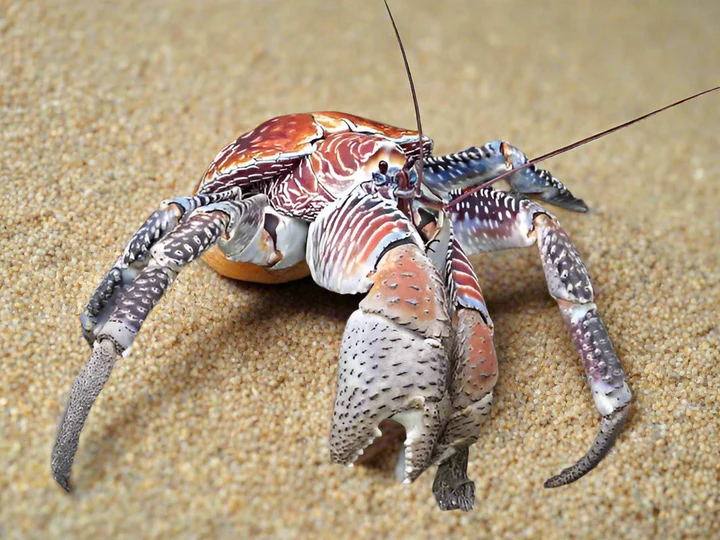
The Coconut Crab (Birgus latro) is one of the world’s most extraordinary terrestrial arthropods. Known for its remarkable size, powerful claws, unusual appearance, and legendary ability to climb and open coconuts, this species is highly sought after by collectors of rare and exotic invertebrates.
This listing is offered on request only and is intended for serious, experienced collectors. Availability can be extremely limited and may depend on legal sourcing, export permissions, import requirements, seasonal availability, transport considerations, and animal welfare requirements.
The Coconut Crab is not a typical aquarium pet. It is a highly specialized terrestrial crustacean requiring substantial space, secure housing, appropriate environmental conditions, and expert long-term care. Prospective buyers should understand the species’ needs and confirm all applicable Canadian and local legal requirements before making a request.
Monster Aquarium Canada may assist with sourcing inquiries for this ultra rare Coconut Crab, subject to availability and all applicable regulations.
Why Is the Coconut Crab So Special?
One of the World’s Largest Land Crustaceans
The Coconut Crab is admired for its:
Extraordinary Features
Ultra Rare Characteristics
- One of the largest terrestrial arthropods
- Famous for its enormous, powerful claws
- Remarkable climbing ability
- Highly distinctive appearance
- Can display a range of colours
- Long lifespan potential
- Exceptional rarity in the exotic animal trade
- Extraordinary centerpiece animal for qualified specialist keepers
Adult individuals can become extremely large, and their powerful claws demand careful, responsible handling.
Important: On Request Only
Ultra Rare Specialist Sourcing
This animal is not offered as a routine in-stock product.
A request may be considered based on:
- Current legal availability
- Ethical and documented sourcing
- Export authorization
- Import requirements
- Canadian federal requirements
- Provincial or territorial regulations
- Local restrictions
- Transport feasibility
- Seasonal conditions
Submitting a request does not guarantee availability.
How Large Does a Coconut Crab Get?
Coconut Crabs are the largest terrestrial crustaceans in the world.
Large adults can have an impressive leg span and substantial body weight. Size varies according to sex, age, genetics, nutrition, and environmental conditions.
Plan for a Large Adult Animal
Before requesting a Coconut Crab, ensure you can provide:
- A very large terrestrial enclosure
- Exceptional security
- Strong escape prevention
- Appropriate climbing structures
- Natural hiding areas
- Suitable substrate
- Stable environmental conditions
- Long-term specialist care
This is a serious long-term commitment and not an animal for a small terrarium.
Specialist Housing Requirements
A Large, Secure Terrestrial Habitat
Coconut Crabs require spacious, escape-proof terrestrial housing designed around their size, strength, and natural behaviour.
Important Habitat Features
- Large floor area
- Deep, suitable substrate
- Secure hiding places
- Strong climbing structures
- Natural branches and wood
- Areas for exploration
- Appropriate humidity
- Appropriate temperature gradient
- Fresh water access
- Suitable saltwater access where required for husbandry
Because of their climbing ability and strength, all enclosure components must be securely constructed.
Environmental Conditions
Stable Tropical Conditions Are Essential
Coconut Crabs require a warm tropical environment with carefully managed humidity and ventilation.
Exact environmental requirements should be established using specialist husbandry information appropriate to the individual animal’s life stage and origin.
Important Considerations
- Stable tropical temperatures
- Appropriate humidity
- Good ventilation
- Natural day and night cycle
- Avoidance of prolonged cold exposure
- Suitable substrate conditions
Environmental conditions should not be guessed or changed abruptly.
Feeding a Coconut Crab
A Varied Omnivorous Diet
Coconut Crabs require a carefully planned and varied diet.
Suitable foods may include appropriately prepared:
- Fruits
- Vegetables
- Nuts
- Seeds
- Coconut
- Leafy plant material
- Suitable protein sources
- Other nutritionally appropriate invertebrate foods
A varied diet is important for long-term health.
Feeding Considerations
Avoid relying on a single food item, including coconut.
Despite the common name, Coconut Crabs require a diverse diet rather than coconut alone.
Remove uneaten foods before they spoil and maintain good enclosure hygiene.
Behaviour and Temperament
Powerful, Strong and Not a Handling Animal
Coconut Crabs are powerful animals and should be treated with respect.
They may:
- Climb
- Explore at night
- Dig and move substrate
- Defend themselves with powerful claws
- Hide for extended periods
- Become stressed by excessive handling
Handling Is Not Recommended
These animals are best observed rather than regularly handled.
Their claws can cause serious injury, and handling can also stress the animal.
Any necessary handling should be performed using appropriate specialist techniques.
Why Is the Coconut Crab Ultra Rare?
A Difficult Specialist Species to Source Responsibly
Coconut Crabs are rarely available through the ordinary pet trade.
Their availability can be limited by:
- Geographic distribution
- Conservation considerations
- Collection restrictions
- Export controls
- Import regulations
- Transport difficulty
- Specialist husbandry requirements
- Limited legal supply
For these reasons, this species is listed on request only.
Why Request a Coconut Crab from Monster Aquarium Canada?
Specialist Sourcing for Canadian Collectors
Monster Aquarium Canada specializes in unusual freshwater fish, rare tropical fish, monster fish, specialist invertebrates, and exceptional aquatic animals.
For ultra-rare species, sourcing inquiries are handled individually and remain subject to responsible availability and applicable legal requirements.
Important Before Requesting
Prospective buyers should be prepared to discuss:
- Enclosure size
- Long-term husbandry experience
- Environmental controls
- Delivery feasibility
- Legal requirements
- Appropriate long-term care
A request may be declined if legal, welfare, sourcing, or transport requirements cannot be appropriately met.
Frequently Asked Questions
1. Is the Coconut Crab currently in stock?
This species is listed on request only. Availability is not guaranteed and depends on responsible, legal sourcing and applicable transport requirements.
2. Why is the Coconut Crab considered ultra rare?
It is rarely available in the pet trade because sourcing, legal requirements, transport, and specialist care can be exceptionally challenging.
3. Is a Coconut Crab suitable for beginners?
No. This is a highly specialized, large, powerful animal requiring substantial space and advanced long-term husbandry.
4. Can I keep a Coconut Crab in an aquarium?
No. Coconut Crabs are primarily terrestrial and require a large, secure land-based habitat rather than a conventional aquarium.
5. What should I do before requesting one?
Research long-term care requirements, prepare an appropriate enclosure, and confirm all applicable federal, provincial, territorial, and local legal requirements before making a sourcing request.
Be the first to review “Coconut Crab on Request in Canada | Ultra Rare Birgus latro”
Related products
Pre-Order Species
Yellow Belly Albert Cichlid 3” Show Male Canada | Buy Astatotilapia aeneocolor Online
Pre-Order Species
Synodontis Petricola Pink Canada | Buy Pink Petricola Catfish Online
Pre-Order Species
yon’s Cichlid (Amphilophus lyonsi) 3 Inch Canada | Buy Central American Cichlid Online
Pre-Order Species
Marbled Gar (Boulengerella maculata) 8 Inch Canada | Buy Freshwater Needlefish Online
Reviews
There are no reviews yet.