
ypostomus luteus Phase I Rare Pleco for Sale in Canada
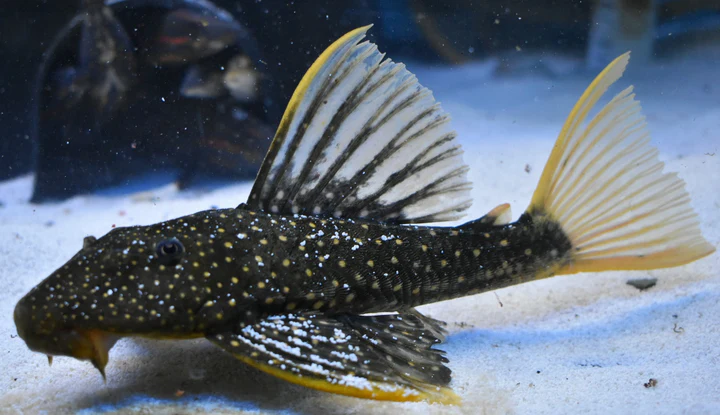
The Hypostomus luteus Phase I is a rare and highly interesting South American armored catfish for aquarists who appreciate unusual plecos and specialty freshwater species. Its rarity and distinctive appearance make it an attractive choice for collectors looking to add something different to their aquarium.
Members of the genus Hypostomus are recognized for their heavily armored bodies, sucker-shaped mouths, and ability to adapt to a variety of freshwater environments. They are primarily bottom-dwelling fish that spend much of their time exploring surfaces, hiding places, rocks, and driftwood.
The Phase I designation makes this particular offering especially interesting to collectors who follow unusual pleco varieties and locality or color forms.
Monster Aquarium Canada offers rare and specialty freshwater fish for Canadian aquarists searching for unique additions to their collections.
Why Choose Hypostomus luteus Phase I?
A Rare Specialty Pleco
Hypostomus luteus Phase I is an appealing choice for collectors who want a less-common pleco rather than a conventional aquarium species.
Key Features
- Scientific name: Hypostomus luteus
- Form: Phase I
- Common group: Hypostomus pleco
- Status: Rare
- South American freshwater catfish
- Armored body
- Sucker mouth
- Bottom-dwelling behaviour
- Excellent algae-grazing potential
- Adaptable freshwater species
- Specialty collector fish
Because rare pleco forms can show individual variation, coloration and pattern should be evaluated from the actual specimen available.
Aquarium Setup
Provide a Spacious, Well-Filtered Aquarium
A mature aquarium with excellent biological filtration is recommended for Hypostomus species.
The aquarium should provide:
- Strong filtration
- Good water circulation
- High oxygenation
- Aquarium-safe driftwood
- Rocks and caves
- Shaded hiding areas
- Adequate bottom territory
- Stable water parameters
Driftwood and Natural Décor
Driftwood can provide shelter and additional grazing surfaces while helping create a more natural environment.
Secure heavier decorations properly because larger plecos can move objects while exploring or feeding.
Water Parameters
Basic Care
- Scientific name: Hypostomus luteus
- Form: Phase I
- Type: Freshwater pleco
- Origin: South America
- Temperature: Approximately 24–29°C (75–84°F)
- pH: Approximately 6.0–7.5
- Water hardness: Soft to moderately hard
- Care level: Moderate
- Temperament: Generally peaceful, with possible territorial behaviour
- Diet: Omnivorous
- Swimming level: Bottom
- Activity: Primarily nocturnal/crepuscular
Consistent water quality is more important than attempting to maintain a particular number at all costs.
What Does Hypostomus luteus Eat?
A Varied Pleco Diet
Although Hypostomus plecos can graze on algae and biofilm, a captive specimen should not be expected to survive on naturally occurring algae alone.
Recommended foods include:
- High-quality sinking pleco pellets
- Spirulina wafers
- Algae wafers
- Vegetable-based foods
- Blanched zucchini
- Cucumber
- Green beans
- Quality gel foods
- Occasional protein-rich foods
Evening Feeding
Offer sinking foods after the aquarium lights are dimmed. This allows the pleco to feed during its naturally active period and reduces competition from fast-moving fish.
Behaviour and Temperament
A Fascinating Bottom Dweller
Hypostomus luteus is suited to an aquarium where it has plenty of surfaces and hiding places to explore.
It may spend daylight hours underneath:
- Driftwood
- Rocks
- Caves
- Aquarium décor
At night, it can become much more active, exploring the aquarium and searching for food.
Provide enough territory if keeping it with other large bottom-dwelling fish.
Compatible Tank Mates
Choose Compatible Freshwater Fish
Potential tank mates can include peaceful fish with similar water and temperature requirements.
Suitable options may include:
- Tetras
- Larger rasboras
- Corydoras
- Peaceful South American fish
- Silver Dollars
- Compatible peaceful cichlids
- Other appropriately sized community fish
Avoid
- Highly aggressive predators
- Fish that constantly harass the pleco
- Excessively territorial bottom dwellers
- Too many large plecos competing for limited caves
Always consider the eventual size and temperament of every fish in the aquarium.
Natural Aquarium Environment
Create a Pleco-Friendly Habitat
A natural-style aquarium can provide both visual appeal and enrichment.
Consider using:
- Aquarium-safe driftwood
- Smooth rocks
- Pleco caves
- Rock crevices
- Shaded areas
- Hardy aquatic plants
- Leaf litter
- Strong water movement
A combination of driftwood and rockwork provides numerous surfaces for exploration and grazing.
Breeding Hypostomus luteus
A Project for Experienced Aquarists
Breeding rare plecos can be a rewarding long-term project, particularly for collectors interested in preserving unusual forms.
A potential breeding setup should include:
- Mature compatible fish
- Suitable caves
- Excellent water quality
- Strong oxygenation
- Stable temperatures
- Nutritious food
- Good circulation
- Minimal disturbance
Large, secure shelters can provide valuable territory and potential spawning locations.
Why Buy Rare Hypostomus luteus Phase I from Monster Aquarium Canada?
Specialty Freshwater Fish for Canadian Aquarists
Monster Aquarium Canada specializes in rare freshwater fish, L-number plecos, unusual tropical fish, monster fish, aquarium foods, medications, and specialist aquarium supplies.
The Hypostomus luteus Phase I is an exciting option for collectors searching for an uncommon pleco with a distinctive identity and strong specialty-fish appeal.
Add Something Rare to Your Aquarium
Its combination of rarity, armored appearance, bottom-dwelling behaviour, South American origins, and collector appeal makes Hypostomus luteus Phase I an interesting addition to a dedicated freshwater aquarium.
Frequently Asked Questions
1. What is Hypostomus luteus Phase I?
It is a rare Phase I form of Hypostomus luteus, a South American armored catfish belonging to the pleco family.
2. Is Hypostomus luteus a peaceful fish?
It is generally peaceful toward compatible aquarium fish, although territorial behaviour may occur around preferred shelters.
3. What does Hypostomus luteus eat?
It benefits from sinking pleco foods, spirulina and algae wafers, vegetables, biofilm, and occasional protein-rich foods.
4. Does it need driftwood?
Driftwood is highly beneficial as part of a natural pleco aquarium, providing shelter and additional grazing surfaces.
5. Is Hypostomus luteus Phase I rare?
Yes. This Phase I offering is marketed as a rare specialty specimen, making it particularly interesting to pleco collectors.
Be the first to review “Hypostomus luteus Phase I Rare Pleco for Sale in Canada”
Related products
Reviews
There are no reviews yet.