PEARLSCALE ANGELFISH XL for Sale in Canada
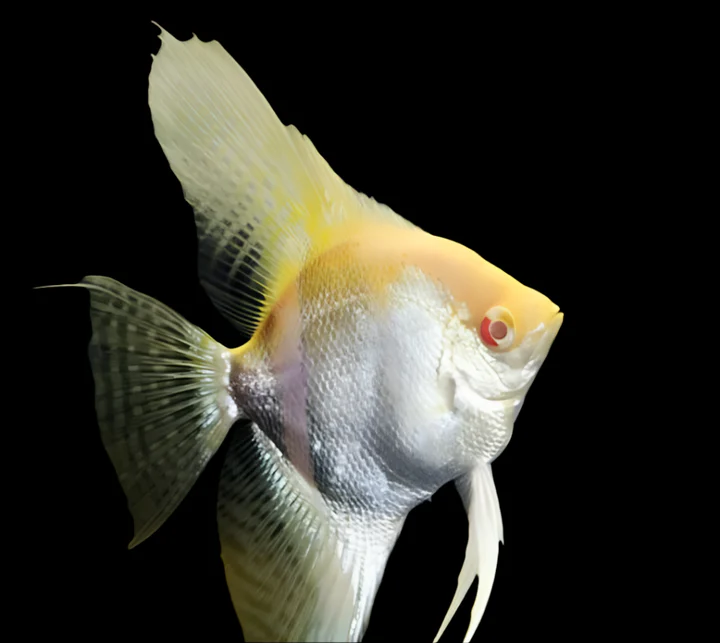
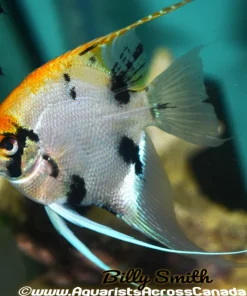
The Pearlscale Angelfish XL is an elegant ornamental freshwater fish prized for its shimmering, pearl-like scale texture, tall triangular body, and flowing fins. Its distinctive appearance makes it an attractive centrepiece for tropical aquariums, especially when displayed against green aquatic plants, natural driftwood, and a clean, uncluttered background.
Available through Monster Aquarium Canada, this XL Pearlscale Angelfish is an appealing choice for aquarists who appreciate unusual angelfish varieties and larger ornamental specimens. Its mature appearance and graceful swimming style can add sophistication to a well-maintained freshwater aquarium.
Pearlscale is an aquarium-trade description associated with a scale-texture characteristic, rather than a separate scientific species. The exact colour, scale pattern, and genetic variety may differ between individual fish.
Species Overview
Scientific Classification
-
Scientific Name: Pterophyllum scalare (if confirmed for the listed specimen)
-
Common Names: Pearlscale Angelfish, Pearlscale Angel, XL Pearlscale Angelfish
-
Family: Cichlidae
-
Species Origin: South America
-
Natural Habitat: Slow-moving rivers, flooded forests, and vegetated freshwater waterways
-
Species Type: Tropical freshwater cichlid
-
Size Grade: XL
-
Adult Body Length: Commonly around 6 inches, with greater overall height when fins are extended
-
Temperament: Generally peaceful to semi-aggressive
-
Diet: Omnivorous
-
Care Level: Moderate
-
Recommended Aquarium: Mature tropical freshwater setup
Size note: XL is a seller’s size grade, not a standardized measurement. Confirm the specimen’s actual body length and fin height with Monster Aquarium Canada before ordering.
Appearance and Pearlscale Characteristics
Distinctive Shimmering Scales
Pearlscale Angelfish are valued for the reflective, textured appearance of their scales. Depending on the particular strain, the scales may catch the light with a pearly or iridescent sheen that creates extra visual depth.
The classic angelfish body is laterally compressed, with long dorsal and anal fins that form a triangular silhouette. The pelvic fins extend beneath the body, contributing to its elegant appearance.
Individual Colour and Pattern
Pearlscale angelfish may be available in different colour forms, and the precise appearance depends on the fish being sold. The pearl-like effect may look more pronounced under suitable aquarium lighting, while stress, age, and individual genetics can affect how the fish appears.
The XL grade refers to the seller’s size classification and does not guarantee a specific colour, fin shape, or scale pattern.
Why Choose an XL Pearlscale Angelfish?
1. Eye-Catching Scale Texture
The pearl-like scales distinguish this variety from many standard angelfish forms. Their reflective appearance can make the fish particularly attractive in a planted aquarium or a dedicated angelfish display.
2. Larger Display Presence
An XL specimen can provide an immediate focal point in a suitably sized aquarium. Its larger size may also make its body shape and scale details easier to appreciate.
3. Graceful Swimming Behaviour
Angelfish move with slow, controlled fin movements and typically occupy the middle and upper sections of the aquarium. Their upright posture and flowing fins make them visually distinctive.
4. A Classic Tropical Aquarium Fish
As a member of the South American angelfish group, Pterophyllum scalare combines ornamental appeal with engaging behaviour. It can be rewarding for hobbyists who maintain stable water conditions and select compatible tank mates.
Aquarium Setup and Tank Requirements
Recommended Tank Size
The aquarium should provide sufficient vertical space for the angelfish’s tall body and extended fins.
-
Single angelfish: Around 30 gallons may be workable, although a larger aquarium is preferable for long-term stability.
-
Group or community aquarium: Around 55 gallons or more is a reasonable starting point, depending on stocking levels and tank dimensions.
-
Breeding pair: Provide enough space for territories and prepare a separate setup if aggression becomes a problem.
A tall aquarium is particularly beneficial. Avoid overcrowding, even when the fish is being sold as XL.
Substrate and Decorations
Fine sand or smooth gravel works well. Driftwood, rounded rocks, and aquarium-safe plants create shelter while preserving open swimming areas.
Suitable plants may include Java fern, Anubias, and Amazon swords. Place decorations securely and avoid sharp edges that may tear the fish’s fins.
Filtration and Water Quality
Use reliable filtration with sufficient biological capacity to process fish waste. Moderate water movement is generally suitable, as excessive current can make swimming more difficult.
Maintain a cycled aquarium and perform regular partial water changes. Test water quality routinely, particularly in aquariums with several large fish.
Water Parameters
| Parameter | Recommended Range |
|---|---|
| Temperature | 76–82°F (24–28°C) |
| pH | Approximately 6.0–7.5 |
| Water hardness | Soft to moderately hard |
| Ammonia | 0 ppm |
| Nitrite | 0 ppm |
| Nitrate | Keep low through regular maintenance |
Consistency is important for angelfish health. Acclimate new fish gradually and avoid sudden temperature or water-chemistry changes.
Diet and Feeding
What Do Pearlscale Angelfish Eat?
Pearlscale Angelfish are omnivores and benefit from a varied, balanced diet. Suitable foods include:
-
High-quality tropical flakes
-
Small or medium-sized angelfish and cichlid pellets
-
Frozen brine shrimp
-
Mysis shrimp
-
Daphnia
-
Other suitable prepared or frozen aquarium foods
Feeding an XL Specimen
Offer appropriately sized portions once or twice daily, adjusting the amount to the fish’s appetite and body condition. Avoid overfeeding, since leftover food can quickly affect water quality.
A balanced diet supports normal growth, fin condition, and overall health. No particular food can guarantee a specific pearlscale appearance or colour intensity.
Behaviour and Temperament
General Personality
Angelfish are often curious and observant. They may learn feeding routines and become familiar with activity outside the aquarium.
Despite their elegant appearance, they are cichlids and can become territorial as they mature. Aggression may increase when fish form pairs, defend spawning sites, or compete for limited space.
Social Needs
An XL angelfish can be kept singly or with carefully selected companions. Groups need enough room and should be monitored for persistent chasing, fin damage, or exclusion from feeding.
If aggression develops, separating the fish may be necessary.
Compatible Tank Mates
Potential Companions
Suitable companions may include peaceful, appropriately sized fish with similar tropical water requirements. Depending on the aquarium and individual temperament, possible options include:
-
Corydoras catfish
-
Larger peaceful tetras
-
Compatible South American catfish
-
Other carefully selected community fish
Always consider the adult size and behaviour of each species.
Tank Mates to Avoid
Avoid tiny fish that may be swallowed, aggressive fish that could injure the angelfish, and persistent fin nippers that may damage its flowing fins.
Compatibility is never guaranteed. Observe new combinations closely and provide a separate aquarium if necessary.
Growth and Long-Term Care
Pterophyllum scalare commonly reaches around 6 inches in body length, with a greater overall height when its fins are extended. Under suitable conditions, angelfish may live for several years, with some reaching approximately 8–10 years.
To maintain an XL specimen successfully:
-
Provide adequate vertical swimming space.
-
Maintain stable tropical water conditions.
-
Feed a varied, nutritious diet.
-
Keep ammonia and nitrite at zero.
-
Perform regular water changes.
-
Monitor appetite, fin condition, and social behaviour.
Pearlscale Angelfish XL for Sale in Canada
Monster Aquarium Canada offers ornamental freshwater fish for aquarists seeking distinctive additions to their tropical aquariums. The XL Pearlscale Angelfish is an attractive option for hobbyists who want a larger angelfish with a distinctive scale texture.
Before ordering, confirm the specimen’s actual size, colour variety, current availability, shipping eligibility, and delivery arrangements for your Canadian address. Individual appearance and livestock inventory can vary.
Prepare a mature, cycled aquarium before arrival, and ensure the aquarium is spacious enough for the fish’s full size and potential territorial behaviour.
Frequently Asked Questions
1. What is a Pearlscale Angelfish?
A Pearlscale Angelfish is an ornamental angelfish valued for its distinctive pearl-like scale texture. It is commonly associated with Pterophyllum scalare, although the exact variety of a listed specimen should be confirmed with the seller.
2. What does XL mean for a Pearlscale Angelfish?
XL is a seller’s size grade indicating a larger specimen. Because size grades are not standardized, confirm the actual body length and fin height before purchasing.
3. What tank size does a Pearlscale Angelfish need?
A single fish may be maintained in an aquarium around 30 gallons, but a larger aquarium is preferable. Groups and community setups generally require more space, and a tall tank is especially useful.
4. Can Pearlscale Angelfish live with other fish?
Yes, with carefully selected companions. Choose peaceful fish of suitable size, avoid fin nippers and very small species, and monitor behaviour as the angelfish matures.
5. What should I feed an XL Pearlscale Angelfish?
Offer quality tropical flakes or pellets alongside suitable frozen foods such as brine shrimp, mysis shrimp, and Daphnia. Feed modest portions and maintain excellent water quality.
Be the first to review “Pearlscale Angelfish XL for Sale in Canada | Monster Aquarium”
Related products
Assorted and Interesting
Silver Dollar Fish for Sale in Canada | Buy Metynnis hypsauchen
Exotic Brackish Water Fish
Orange Chromide (Etroplus maculatus) for Sale Canada | Premium Freshwater Cichlid
Schooling Aquarium Rasboras
Reviews
There are no reviews yet.