ALTUM ANGELFISH (Pterophyllum altum) Rio Vichada Wild Caught (RARE) D2409C for Sale in Canada
Discover one of the most impressive freshwater angelfish available to specialist aquarists: the Wild-Caught Altum Angelfish from Rio Vichada, listed by Monster Aquarium Canada as a rare specimen under product code D2409C.
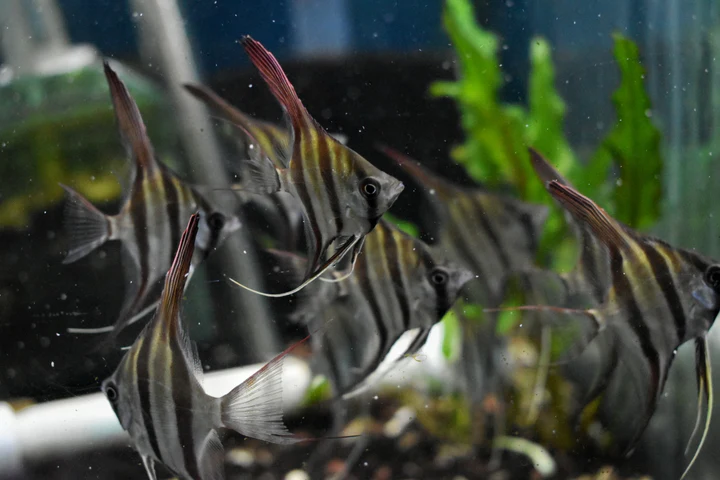
The Altum Angelfish is admired for its exceptionally tall body, elegant fins, distinctive vertical markings, and graceful swimming movements. Compared with the more familiar common angelfish, it has a taller, more pronounced profile that makes it highly desirable among experienced freshwater fish keepers and collectors.
This listing identifies the fish as wild-caught and associated with Rio Vichada. Wild-caught Altums can require particularly careful acclimation because collection, transport, and changes in water chemistry can be stressful. They are best suited to aquarists who can provide stable water conditions, high-quality nutrition, and attentive monitoring.
If you are searching for a rare Altum Angelfish for sale in Canada, this specialty listing is worth exploring. Please confirm the current specimen’s availability, collection locality, size, and shipping eligibility with Monster Aquarium Canada before ordering.
Altum Angelfish Overview
The Altum Angelfish, Pterophyllum altum, is a South American freshwater cichlid known for its distinctive body proportions. The species occurs naturally in the Orinoco River basin and associated waters of the northern Amazon region. Rio Vichada is in Colombia’s Orinoco drainage.
Wild-caught fish may differ in body shape, markings, condition, and acclimation requirements. The locality information in the listing should be verified with the supplier if precise collection provenance is important to you.
Quick Facts
-
Common name: Altum Angelfish, Altum Angel
-
Scientific name: Pterophyllum altum
-
Listed locality: Rio Vichada
-
Collection status: Wild-caught, as listed
-
Product code: D2409C
-
Availability category: Rare
-
Fish type: Freshwater cichlid
-
Natural region: Orinoco basin, South America
-
Care level: Advanced
-
Temperament: Generally peaceful, but potentially territorial
-
Diet: Carnivorous-leaning omnivore
-
Aquarium zone: Middle water levels
-
Adult profile: Exceptionally tall-bodied, with extended fins
-
Recommended setup: A spacious, tall aquarium with stable, well-maintained water
What Makes the Rio Vichada Altum Angelfish Special?
Distinctive Altum Body Shape
True Altum Angelfish are recognized by their exceptionally tall, narrow bodies, elongated dorsal and anal fins, and characteristic indentation in the forehead profile. Their silvery base colour is typically crossed by prominent dark vertical bars, sometimes accompanied by subtle reddish or iridescent tones.
Wild-Caught Provenance
Wild-caught fish are valued by specialist hobbyists for their natural appearance and connection to their native habitat. However, the “Rio Vichada” locality in this product title should be treated as the seller’s stated provenance, not independently verified collection documentation.
Wild collection and transport can place significant stress on Altums. Their condition on arrival, feeding response, and the water chemistry in which they have been held are important considerations before purchase.
A Rare Fish for Experienced Aquarists
Altums are considerably more demanding than many commonly sold angelfish. Their sensitivity to water quality, need for a tall aquarium, and challenging acclimation make them better suited to experienced keepers than beginners.
Altum Angelfish Aquarium Setup
A successful Altum aquarium should be spacious, tall, well oxygenated, and designed to reduce stress. Use driftwood, tall plants, and shaded areas to create a calm environment with open swimming space.
Recommended Tank Size
For a group of Altums, a large aquarium of approximately 100–125 US gallons or more is a sensible planning target, with generous height especially important. A tank with around 24 inches of water-column height is a useful starting point; greater height is preferable for mature fish with extended fins. Actual requirements depend on the group size, tank dimensions, and filtration capacity.
Avoid placing Altums in cramped tanks or aquariums with boisterous fish. Provide gentle circulation without sacrificing oxygenation, and maintain excellent filtration.
Water Parameters for Wild-Caught Altums
Altums are associated with warm, very soft, acidic water. Published husbandry guidance commonly recommends the following ranges, but the water in which your particular fish is currently being maintained should guide acclimation. Do not suddenly change imported fish to a much lower pH or different mineral content.
| Parameter | Common specialist target |
|---|---|
| Temperature | 82–88°F (28–31°C) |
| pH | Approximately 4.5–6.2 |
| General hardness (GH) | Very soft water, often 0–5 dGH |
| Carbonate hardness (KH) | Very low |
| Ammonia | 0 ppm |
| Nitrite | 0 ppm |
| Nitrate | Keep very low |
These are specialist targets, not a reason to make abrupt adjustments. If your source water is hard or alkaline, seek advice from an experienced Altum keeper before attempting to condition it. Reverse-osmosis water may be useful when properly prepared and remineralization and water chemistry are managed carefully.
Filtration and Water Maintenance
Wild-caught Altums need clean, stable water with good oxygenation. Use reliable biological filtration, test water frequently, and establish a consistent schedule of partial water changes. Avoid allowing dissolved waste or nitrate to accumulate.
Dim lighting, floating plants, and driftwood can create shelter and reduce stress. Keep the aquarium covered, and make sure decorations do not create sharp edges that could damage the fish’s extended fins.
Feeding Wild-Caught Altum Angelfish
Newly imported Altums may be reluctant to accept prepared foods. Observe their feeding response and begin with foods they recognize, introducing other options gradually once they are feeding consistently.
Recommended Foods
-
Live or frozen brine shrimp from a reputable source
-
Mysis shrimp
-
Suitable bloodworms from a trusted supplier
-
Other clean, appropriately sized frozen foods
-
High-quality prepared foods once accepted
Offer small portions and observe each fish to make sure it is eating. Remove uneaten food promptly. Avoid relying on unquarantined live foods that may introduce parasites or pathogens.
A good feeding routine supports condition and recovery, but feeding alone cannot compensate for poor water quality or inadequate acclimation.
Temperament and Tank Mates
Altum Angelfish are generally peaceful but can be shy and may establish territories, especially when pairing or breeding. Their tank mates should be chosen for compatible water requirements, temperament, and adult size.
Potentially Suitable Tank Mates
Experienced keepers may consider carefully selected soft-water species that tolerate similar warm, acidic conditions. Compatibility should be assessed individually, and a dedicated Altum aquarium is often the safest option for newly imported fish.
Tank Mates to Avoid
Avoid aggressive fish, persistent fin-nippers, highly active species that continually disturb the Altums, and small fish that may be eaten. Do not combine them with fish that require significantly different water chemistry.
Growth, Sexing, and Breeding
Adult Size
True Altum Angelfish can reach approximately 7 inches (18 cm) in body length, with the extended fins creating a much taller profile that may approach 12 inches (30 cm) or more. Aquarium size should therefore be planned around the fish’s full height, not just its body length.
Identifying Male and Female Altums
Sexing Altums by appearance is difficult. Males may develop subtle head-shape differences, but these are not reliable indicators for every fish. Mature breeding behaviour may provide better clues, although sex is not always easy to confirm visually.
Breeding Wild-Caught Altum Angelfish
Breeding Altums is challenging and requires careful management of water chemistry, excellent water quality, and compatible breeding partners. A pair may clean a vertical surface before laying eggs, but successful spawning and raising fry are not guaranteed. Wild-caught specimens should first be given time to acclimate and establish reliable feeding behaviour.
Buying Wild-Caught Altum Angelfish in Canada
Monster Aquarium Canada’s ALTUM ANGELFISH (Pterophyllum Altum Rio Vichada) Wild Caught (RARE), product code D2409C, is intended for aquarists seeking a specialist freshwater fish rather than a typical community angelfish.
Before ordering, please confirm:
-
Current availability and the actual size of the fish.
-
Whether the specimen is feeding reliably.
-
Its current water temperature, pH, and hardness.
-
The stated Rio Vichada collection locality and any available provenance details.
-
Shipping eligibility, delivery arrangements, and acclimation guidance for your Canadian address.
Wild-caught Altums are sensitive to transport and changes in water chemistry. Ensure your aquarium is ready before purchase, and consider quarantine and veterinary or specialist advice if the fish shows signs of illness after arrival.
Important: The listing’s rare designation and wild-caught status are seller-provided descriptions. Availability, specimen condition, and collection details should be confirmed directly with Monster Aquarium Canada.
Frequently Asked Questions
1. What is the scientific name of the Altum Angelfish?
The true Altum Angelfish is Pterophyllum altum. It is a distinct species from the common freshwater angelfish, Pterophyllum scalare. Some fish sold under Altum-related trade names may be other Pterophyllum forms, so confirming identification is worthwhile.
2. Why is the Altum Angelfish considered rare?
True Altums are less commonly available in the aquarium trade than common angelfish. Wild collection, transport challenges, and their demanding care requirements contribute to their specialist status.
3. Are wild-caught Altum Angelfish suitable for beginners?
Generally, no. They are better suited to experienced aquarists who can maintain stable, very soft water, provide a tall aquarium, manage acclimation carefully, and monitor feeding and health.
4. What water conditions do Altum Angelfish need?
Specialist care guides commonly recommend warm water around 82–88°F (28–31°C), low mineral content, and acidic pH. The current holding conditions of newly imported fish must be considered carefully to avoid sudden changes.
5. Can Altum Angelfish live with common angelfish?
They may sometimes coexist under suitable conditions, but it is not automatically advisable. Differences in water requirements, feeding competition, temperament, and disease exposure should be considered. For newly imported wild Altums, a dedicated and carefully managed aquarium is often the more prudent choice.
Be the first to review “Wild-Caught Altum Angelfish for Sale in Canada | Rare Altum Angel”
Related products
All American Cichlids
Electric Blue Jack Dempsey for Sale in Canada | Monster Aquarium Canada
Pre-Order Species
Golden Fire Eel Xanthic 8” Canada | Pre-Order Ultra Rare Mastacembelus erythrotaenia
All American Cichlids
Geophagus Balzani (Gymnogeophagus balzanii) for Sale in Canada
Peacock Bass
All American Cichlids
Red Spotted Severum 3.5″ for Sale in Canada | Monster Aquarium
All American Cichlids
Chocolate Cichlid for Sale in Canada | Hypselecara temporalis
Reviews
There are no reviews yet.