
CUTTER’S CICHLID (Cryptoheros cutteri) for Sale in Canada
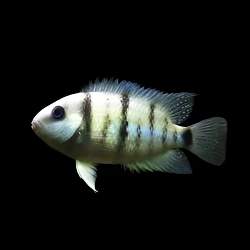
The Cutter’s Cichlid (Cryptoheros cutteri) is a beautiful Central American freshwater cichlid known for its blue-green coloration, dark facial markings, and active personality. Also called the Blue-Eyed Cichlid or Cutter’s Blue Cichlid in the aquarium trade, this species is an excellent choice for aquarists looking for a smaller Central American cichlid with plenty of character.
At Monster Aquarium Canada, we recommend planning the aquarium around the adult size and territorial behaviour of this species. With suitable filtration, rocky décor, hiding places, and stable water conditions, Cutter’s Cichlids can become a striking addition to a well-planned freshwater aquarium.
Species Overview
Scientific Name
Cryptoheros cutteri
Common Names
Cutter’s Cichlid, Cutter Cichlid, Blue-Eyed Cichlid, Cutter’s Blue Cichlid.
Origin
Cutter’s Cichlid is native to Central America, particularly freshwater habitats in countries including Honduras, Guatemala, and Belize.
Species Type
Cutter’s Cichlid is a Central American freshwater cichlid belonging to the family Cichlidae.
Adult Size
Adults generally reach approximately 5–6 inches, although individual growth can vary depending on genetics, diet, water quality, and aquarium conditions.
Appearance and Coloration
One of the main attractions of Cryptoheros cutteri is its attractive blue coloration.
Depending on age, mood, sex, and breeding condition, the body may display shades of:
- Blue
- Blue-green
- Turquoise
- Gray
- Silver
- Yellowish or orange accents
- Dark vertical markings
The face can show attractive blue-green coloration, while the fins may develop contrasting darker or iridescent tones.
Coloration can become especially intense when the fish is comfortable, displaying, establishing territory, or preparing to breed.
Why Choose a Cutter’s Cichlid?
Key Features
- Attractive blue-green coloration
- Relatively compact Central American cichlid
- Active and intelligent behaviour
- Strong personality
- Interesting courtship and breeding behaviour
- Suitable for experienced community-cichlid aquariums
- Excellent centerpiece fish for a properly planned setup
- Hardy when maintained under appropriate conditions
Cutter’s Cichlids offer many of the behavioural characteristics associated with larger Central American cichlids while remaining considerably more manageable in size.
Aquarium Setup
A 40-gallon aquarium or larger can be considered for a pair, while larger aquariums are recommended when keeping multiple cichlids or designing a community containing other territorial species.
Substrate
Fine to medium gravel or sand can work well.
A natural-looking substrate allows the fish to investigate the bottom and can complement rockwork and wood.
Decorations
Create a structured environment using:
- Rocks
- Driftwood
- Caves
- Ceramic shelters
- Aquarium-safe ornaments
- Hardy plants where appropriate
Territorial boundaries are particularly important. Rocks, wood, and visual barriers can help divide the aquarium into separate territories.
Filtration
Use efficient mechanical and biological filtration.
Cutter’s Cichlids appreciate clean, oxygen-rich water, and regular maintenance is important because cichlids can produce a significant amount of waste relative to their size.
Water Parameters
Aim for stable, clean freshwater conditions:
- Temperature: 75–82°F (24–28°C)
- pH: approximately 6.8–8.0
- Hardness: soft to moderately hard
- Ammonia: 0 ppm
- Nitrite: 0 ppm
- Nitrate: preferably kept low through maintenance
Consistency is generally more important than constantly adjusting water chemistry.
Diet and Feeding
Cutter’s Cichlids are omnivorous and should receive a varied diet.
Recommended Foods
A quality cichlid pellet can form the foundation of the diet, supplemented with:
- High-quality flakes
- Frozen bloodworms
- Frozen brine shrimp
- Mysis shrimp
- Insect-based foods
- Krill
- Spirulina-based foods
- Occasional vegetable matter
Young fish should receive appropriately sized food several times throughout the day, while adults can generally be fed smaller portions once or twice daily.
Avoid excessive feeding because uneaten food can quickly degrade water quality.
Behaviour and Temperament
Cutter’s Cichlid is an active, territorial fish.
Outside of breeding, some individuals can coexist successfully with appropriately sized tank mates. However, temperament varies between individual fish.
During spawning, a normally manageable pair can become considerably more territorial as they defend their eggs and fry.
For this reason, aquarium layout and stocking decisions should always account for the possibility of increased aggression.
Tank Mates
Potential tank mates should be similar in size and temperament.
Depending on aquarium size and individual personalities, possible companions may include appropriately sized Central American or robust community fish.
Avoid:
- Tiny fish that can be intimidated or eaten
- Extremely peaceful nano fish
- Slow-moving species that cannot escape territorial behaviour
- Fish that are significantly smaller than the cichlid
- Highly aggressive species unless the aquarium is specifically designed for them
Always introduce tank mates with the adult size and territorial behaviour of the fish in mind.
Group Size
Cutter’s Cichlids can be maintained as a compatible pair or in carefully planned community arrangements.
If attempting to keep multiple individuals, provide a sufficiently large aquarium with numerous caves, visual barriers, and separate territories.
A bonded pair may become particularly territorial during breeding.
Growth and Adult Size
Young Cutter’s Cichlids may initially appear small and relatively delicate, but they develop into robust adult cichlids.
Adult size is generally around 5–6 inches.
Good growth depends on:
- High-quality nutrition
- Stable water parameters
- Adequate swimming space
- Efficient filtration
- Regular water changes
- Low-stress conditions
Avoid selecting aquarium equipment and tank mates solely around the juvenile size of the fish.
Male vs Female
Sexual differences can become more apparent as Cutter’s Cichlids mature.
Males may become somewhat larger and develop more pronounced coloration and fin development, while females can have a different body shape and may show stronger coloration during breeding.
Individual variation is considerable, particularly with younger fish, so sex identification can be more difficult with juveniles.
Breeding
Cutter’s Cichlids are cave-spawning Central American cichlids.
A breeding pair may select a cave, crevice, or sheltered area and defend it aggressively. The female lays eggs within the protected site, while both parents can participate in guarding the eggs and fry.
Once breeding begins, territorial behaviour can increase substantially.
A breeding aquarium should therefore contain several potential shelters and enough space for the pair to establish a territory without constantly confronting other fish.
Cutter’s Cichlid for Sale in Canada
Looking to buy Cutter’s Cichlid (Cryptoheros cutteri) in Canada?
Monster Aquarium Canada offers specialty freshwater fish for Canadian aquarium keepers looking for interesting and uncommon species.
When purchasing a Cutter’s Cichlid, consider:
- Current fish size
- Availability
- Aquarium requirements
- Adult size
- Compatibility with your existing livestock
- Shipping conditions
- Your province and local regulations
Availability, size, coloration, and inventory can change. Please confirm current stock and shipping availability before ordering.
Monster Aquarium Canada focuses on serving Canadian aquarium hobbyists looking for freshwater fish and specialty aquarium livestock.
Frequently Asked Questions
1. How big does a Cutter’s Cichlid get?
Cutter’s Cichlids generally grow to approximately 5–6 inches as adults, although growth varies between individual fish.
2. Are Cutter’s Cichlids aggressive?
They can be territorial, particularly when spawning. Their aggression varies by individual and aquarium setup, so tank mates should be selected carefully.
3. What size aquarium does a Cutter’s Cichlid need?
A 40-gallon aquarium or larger can be suitable for a pair, with larger aquariums recommended for multiple fish or community setups.
4. What do Cutter’s Cichlids eat?
They are omnivores and can eat quality cichlid pellets supplemented with frozen foods, insect-based foods, shrimp, krill, and suitable vegetable-based foods.
5. Can Cutter’s Cichlids breed in an aquarium?
Yes. They are cave-spawning cichlids and can breed in suitable aquarium conditions. A breeding pair may become significantly more territorial while protecting eggs and fry.
Be the first to review “Cutter’s Cichlid for Sale in Canada | Cryptoheros cutteri”
Related products
All American Cichlids
Red Bay Snook (Petenia splendida) for Sale Canada | Rare Predator Fish
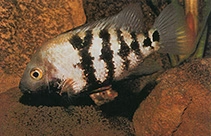
All American Cichlids
Blackthroat Cichlid for Sale in Canada | Astatheros macracanthus
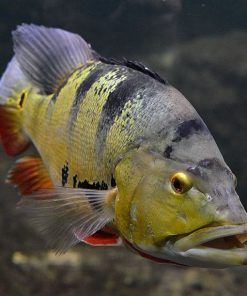
Peacock Bass
All American Cichlids
Black Belt Cichlid for Sale in Canada | Paraneetroplus maculicauda
Reviews
There are no reviews yet.