Snakehead fish are among the most fascinating predatory fish in the monster fish hobby. Known for their aggressive feeding behavior, snake-like appearance, and ability to breathe atmospheric air, Snakeheads have developed a cult following among advanced aquarists worldwide. However, if you are looking to buy Snakehead fish in Canada, there are extremely important legal and regulatory issues you must understand first.
Are Snakehead Fish Legal in Canada?
In many parts of Canada, Snakehead fish are considered prohibited invasive species due to the environmental risks they pose if released into the wild. Several Canadian government agencies specifically warn against owning, importing, transporting, or selling Snakeheads.
For example:
- Ontario states that it is illegal to keep live Northern Snakehead fish.
- British Columbia lists all species in the Channidae family as illegal to import, possess, breed, or transport.
- Saskatchewan has also moved to ban Snakehead species because of invasive risks.
Because regulations can vary and change over time, you should always verify:
- Provincial laws
- Federal invasive species regulations
- Import restrictions
- Local wildlife policies
before attempting to purchase or import any Snakehead species in Canada.
Why Snakehead Fish Are Controversial
Snakeheads are considered high-risk invasive predators because they:
- Can survive in low oxygen water
- Have strong predatory instincts
- Adapt to many environments
- Reproduce rapidly
- Some species tolerate colder temperatures
Government agencies warn that releasing aquarium Snakeheads into natural waterways can seriously damage native ecosystems.
What Are Snakehead Fish?
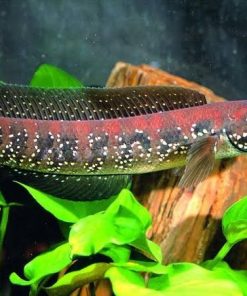
Snakeheads belong to the family Channidae and are freshwater predatory fish native to parts of Asia and Africa.
Key Characteristics:
- Long cylindrical body
- Large predatory mouth
- Surface-breathing ability
- Aggressive feeding response
- Strong territorial behavior
They are highly intelligent and interactive fish that many monster fish hobbyists admire.
Popular Snakehead Species
1. Northern Snakehead (Channa argus)
The most commonly discussed invasive species in North America.
2. Giant Snakehead (Channa micropeltes)
A massive predatory species that can exceed 3 feet.
3. Dwarf Snakeheads
Smaller species popular in countries where legal.
4. Emperor Snakehead (Channa marulioides)
Known for beautiful coloration and aggression.
How Big Do Snakeheads Get?
Size varies dramatically by species.
Approximate Adult Sizes:
- Dwarf species: 8–12 inches
- Medium species: 18–24 inches
- Giant species: 36–48+ inches
Many species grow very quickly under proper conditions.
Snakehead Tank Requirements
Snakeheads require species-appropriate predator setups.
Essential Tank Features:
- Tight-fitting lids (excellent jumpers)
- Strong filtration
- Warm stable water
- Dense hiding areas
- Low stress environment
Recommended Tank Sizes:
- Dwarf species: 40–75 gallons
- Medium species: 100–180 gallons
- Giant species: 300+ gallons
Snakehead Water Parameters
Ideal Conditions:
- Temperature: 24–30°C
- pH: 6.0–7.5
- Moderate water flow
- Excellent oxygenation
Many species prefer dimly lit aquariums with cover.
Snakehead Diet Guide
Snakeheads are carnivorous predators.
Common Foods:
- Carnivore pellets
- Shrimp
- Earthworms
- Fish fillets
- Insects
- Frozen foods
Some hobbyists report that Snakeheads prefer live or frozen foods over pellets.
Snakehead Temperament
Snakeheads are often:
- Territorial
- Highly aggressive feeders
- Intelligent
- Reactive to owners
Certain species are extremely aggressive toward tank mates.
Can Snakeheads Live With Other Fish?
Compatibility depends heavily on species and tank size.
Possible Tank Mates:
- Large aggressive fish
- Similar-sized predators
- Robust monster fish
Avoid:
- Small community fish
- Slow-moving species
- Overcrowded tanks
Why Monster Fish Hobbyists Love Snakeheads
Despite legal restrictions, Snakeheads remain highly admired globally because of:
- Their prehistoric appearance
- Aggressive hunting behavior
- Interactive personality
- Unique breathing adaptations
- Exotic coloration
Online aquarium communities frequently discuss their care and behavior.
Common Mistakes Beginners Make
1. Underestimating Aggression
Some species become highly territorial.
2. Poor Tank Security
Snakeheads are famous escape artists.
3. Small Aquariums
Many species outgrow tanks rapidly.
4. Ignoring Legal Restrictions
Ownership may be illegal depending on province and species.
5. Inadequate Filtration
Predatory fish create heavy waste loads.
Snakehead Fish Price
Globally, prices vary based on species and rarity.
Approximate International Pricing:
- Dwarf species: $50–$300
- Medium species: $300–$1000
- Rare exotic species: $2000+
Availability in Canada is heavily restricted due to regulations.
Alternatives to Snakehead Fish in Canada
If you love predatory fish but want legal alternatives in Canada, consider:
Legal Monster Fish Alternatives:
- Arowana
- Peacock Bass
- Oscar Fish
- Bichir
- Redtail Catfish
These species provide a similar monster fish experience without many of the legal concerns associated with Snakeheads.
FAQs: Snakehead Fish in Canada
1. Are Snakehead fish legal in Canada?
Many Snakehead species are illegal to possess, import, or transport in several Canadian provinces.
2. Why are Snakeheads banned?
They are considered invasive predators that could threaten native ecosystems.
3. Can Snakeheads survive Canadian winters?
Some species, especially Northern Snakeheads, can tolerate colder conditions.
4. Are Snakeheads aggressive?
Yes, many species are highly territorial predators.
5. How big do Snakeheads get?
Depending on species, they can range from under 1 foot to over 4 feet long.
6. What do Snakeheads eat?
They are carnivores that eat fish, shrimp, worms, insects, and protein-rich foods.
7. Are Snakeheads good beginner fish?
No, they are generally considered advanced predatory fish.
8. What are legal alternatives to Snakeheads in Canada?
Arowanas, Bichirs, Oscars, and Peacock Bass are popular alternatives.
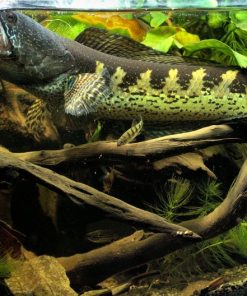
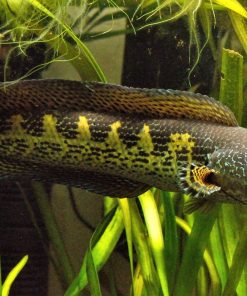
Buy Snakehead Fish in Canada
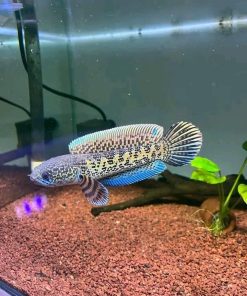
Buy Snakehead Fish in Canada
Buy Snakehead Fish in Canada
In many parts of Canada, Snakehead fish are considered prohibited invasive species due to the environmental risks they pose if released into the wild. Several Canadian government agencies specifically warn against owning, importing, transporting, or selling Snakeheads.