BLUE NEON ANGELFISH (Pterophyllum scalare) XL for Sale in Canada
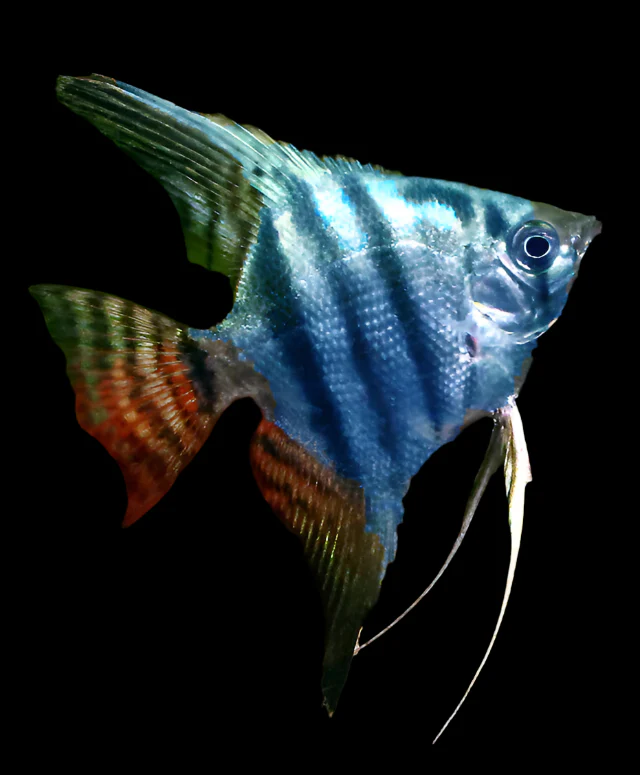
The Blue Neon Angelfish XL is an eye-catching freshwater aquarium fish prized for its elegant body shape, tall flowing fins, and attractive blue-toned sheen. Its graceful swimming style and distinctive appearance make it an appealing choice for aquarists who want a standout centrepiece fish for a suitable freshwater aquarium.
At Monster Aquarium Canada, we help Canadian aquarium enthusiasts discover beautiful freshwater fish for carefully planned home aquariums. The Blue Neon Angelfish is an excellent option for hobbyists who appreciate ornamental cichlids and want to add a striking blue accent to their aquarium.
The XL designation refers to the seller’s size category. Actual body size, fin development, and coloration may vary between individual fish, so please confirm the available specimen’s measurements before ordering.
Blue Neon Angelfish Overview
The Blue Neon Angelfish is commonly sold as a colour variety of the freshwater angelfish, Pterophyllum scalare. The “Blue Neon” name generally describes a blue or iridescent appearance, although the precise shade and pattern can vary by specimen and supplier. It is a trade name rather than a universally standardized scientific variety.
Quick Facts
-
Common name: Blue Neon Angelfish
-
Scientific name: Pterophyllum scalare (confirm exact identification with the supplier)
-
Product grade: XL
-
Fish type: Freshwater cichlid
-
Origin of species: South America
-
Care level: Moderate
-
Temperament: Generally peaceful to semi-aggressive
-
Diet: Omnivore
-
Aquarium position: Mid-water
-
Adult size: Commonly around 6 inches (15 cm) in body length, with additional height from extended fins
-
Recommended aquarium: A tall aquarium with ample swimming space and stable water quality
Why Choose a Blue Neon Angelfish?
A Distinctive Blue Appearance
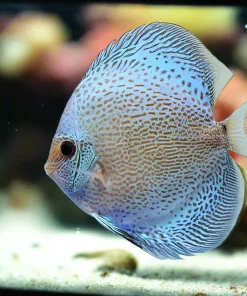
The Blue Neon Angelfish is appreciated for its blue-toned body and reflective appearance under suitable aquarium lighting. Some specimens may display a soft blue-gray sheen, while others can look more intensely blue depending on their genetics, lighting, background, and overall condition.
Because colour intensity differs among individual fish, the appearance of the delivered fish may not be identical to every photograph. Ask Monster Aquarium Canada about current specimens if you are looking for a particular shade or pattern.
Elegant Swimming and Tall Fins
Angelfish have a laterally compressed body, elongated dorsal and anal fins, and delicate pelvic fin extensions. Their upright profile creates a dramatic silhouette, especially in a tall aquarium with open swimming areas and carefully positioned plants.
A Centrepiece for a Freshwater Aquarium
A Blue Neon Angelfish can become a focal point in a thoughtfully designed community tank. Its appearance works well with natural décor, driftwood, broad-leaved aquatic plants, and subdued backgrounds that help its blue tones stand out.
Blue Neon Angelfish Aquarium Setup
Providing enough vertical swimming space is especially important for angelfish. A long, shallow aquarium may not show their natural profile as effectively as a tank with sufficient height.
Recommended Tank Size
For a single adult, approximately 30 gallons may serve as a starting point, but a larger, taller aquarium is preferable. A pair or group needs more room, and a community aquarium of 55 gallons or larger is often a better starting point depending on the number of fish, tank dimensions, and tank mates.
Avoid overcrowding, and leave open areas for swimming. Plants, driftwood, and sheltered areas can help create a natural environment, but décor should not block movement through the aquarium.
Water Parameters
| Parameter | Recommended range |
|---|---|
| Temperature | 76–82°F (24–28°C) |
| pH | Approximately 6.0–7.5 |
| Water hardness | Soft to moderately hard |
| Ammonia | 0 ppm |
| Nitrite | 0 ppm |
| Nitrate | Keep low with routine maintenance |
Stable water conditions are more important than repeatedly chasing a particular pH number. Use a reliable filtration system, test the water regularly, and perform partial water changes according to stocking levels and water-test results.
Always acclimate new fish carefully and avoid adding them to an aquarium that has not completed its nitrogen cycle.
Feeding Your Blue Neon Angelfish
Blue Neon Angelfish are omnivores and benefit from a varied, balanced diet. High-quality prepared foods can form the foundation of their feeding routine, supplemented with suitable frozen or live foods.
Recommended Foods
-
Quality tropical fish flakes
-
Small or medium-sized cichlid pellets appropriate for their mouth size
-
Frozen or appropriately prepared brine shrimp
-
Mysis shrimp
-
Daphnia
-
Other suitable commercially prepared omnivore foods
Feed small portions that the fish can consume within a few minutes. Remove uneaten food to help maintain water quality. A varied diet supports healthy growth and condition, but overfeeding should be avoided.
Temperament and Tank Mates
Blue Neon Angelfish are often peaceful in suitable community aquariums, although behaviour can change as they mature, establish territories, or form breeding pairs.
Suitable Tank Mates
Potential companions include appropriately sized, peaceful fish that tolerate similar water conditions. Carefully selected medium-sized tetras, peaceful bottom-dwelling catfish, and certain other calm community species may work, depending on the size and temperament of the individual fish.
Tank Mates to Avoid
Avoid very small fish that may be eaten, aggressive species that harass angelfish, and persistent fin-nippers. Fish that compete aggressively for food or require substantially different water conditions may also be unsuitable.
Compatibility is never guaranteed. Monitor new introductions closely and be prepared to separate fish if chasing, injuries, or ongoing stress develops.
Growth, Sexing, and Breeding
Adult Size and Growth
The common freshwater angelfish can reach approximately 6 inches in body length, with its fins creating a considerably taller overall profile. Growth depends on genetics, nutrition, water quality, and available space. Since XL is a seller-specific grade, confirm the current specimen’s actual size rather than relying on the label alone.
How to Identify Male and Female Angelfish
Sexing young angelfish can be difficult because males and females look similar. Differences in head shape or body size are not reliable by themselves. Breeding tubes may provide better clues when mature fish are preparing to spawn, but positive identification is not always easy.
Breeding Behaviour
When a compatible pair forms, angelfish may clean a broad leaf, aquarium glass, or another vertical surface before laying eggs. Parents may guard the eggs and fry, although success varies with the pair and aquarium conditions. Breeding fish can become more territorial, so provide sufficient space and monitor their interactions.
Buying Blue Neon Angelfish XL in Canada
Monster Aquarium Canada offers aquarium enthusiasts a destination for discovering specialty freshwater fish. If you are looking for a Blue Neon Angelfish XL for sale in Canada, contact us to confirm current availability, specimen size, colouration, shipping eligibility, and delivery arrangements for your Canadian address.
Before purchasing, make sure your aquarium is fully cycled, appropriately sized, and suitable for the fish’s adult dimensions. Plan tank mates carefully and arrange a proper acclimation process before introducing your new angelfish.
Availability and appearance can change between shipments. Please confirm the details of the specific fish before placing an order.
Frequently Asked Questions
1. What is a Blue Neon Angelfish?
The Blue Neon Angelfish is a trade-name colour form of the freshwater angelfish commonly identified as Pterophyllum scalare. The name refers to its blue-toned or iridescent appearance, which can vary between specimens.
2. How big does a Blue Neon Angelfish XL grow?
Adult freshwater angelfish commonly reach around 6 inches in body length, with additional height from their fins. XL describes a seller’s size grade, so ask for the current fish’s measurements before purchase.
3. What tank size does a Blue Neon Angelfish need?
A tall aquarium of approximately 30 gallons may be a starting point for one adult, but more space is preferable. Pairs, groups, and community setups generally require a larger aquarium based on stocking and tank dimensions.
4. What do Blue Neon Angelfish eat?
They eat a varied omnivorous diet that can include quality flakes, suitable pellets, brine shrimp, mysis shrimp, and Daphnia. Feed appropriately sized portions and avoid overfeeding.
5. Can Blue Neon Angelfish live with other fish?
Yes, with carefully chosen tank mates of compatible size and temperament. Avoid tiny fish that may become prey, aggressive fish, and fin-nippers. Monitor behaviour because angelfish may become territorial as they mature.
Be the first to review “Blue Neon Angelfish XL for Sale in Canada | Monster Aquarium”
Related products
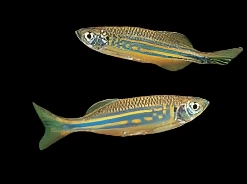
Hyper-Active Freshwater Danios
Giant Danio (Devario aequipinnatus) for Sale Canada | Large Freshwater Aquarium Fish
Hyper-Active Freshwater Danios
Glo Yellow Danio (Danio rerio sp.) for Sale Canada | Fluorescent Aquarium Fish
Reviews
There are no reviews yet.