Blue Panda Dwarf Cichlid (Apistogramma panduro)
The Blue Panda Dwarf Cichlid, commonly marketed as the Blue Panda Dwarf Cichlid or Panda Apistogramma, is a beautiful and distinctive South American dwarf cichlid prized for its compact size, attractive colouration, and interesting behaviour. Its scientific name is Apistogramma panduro. This species is an excellent choice for aquarists who appreciate small, characterful fish and want to create a carefully maintained Amazon-inspired aquarium.
At Monster Aquarium Canada, the Blue Panda Dwarf Cichlid is a specialty option for hobbyists interested in rare and attractive dwarf cichlids. Its manageable adult size makes it suitable for smaller aquariums than many larger cichlid species, provided the tank is mature, appropriately sized, and designed around its territorial and environmental needs.
Appearance and Distinctive Features
Colour and Body Shape
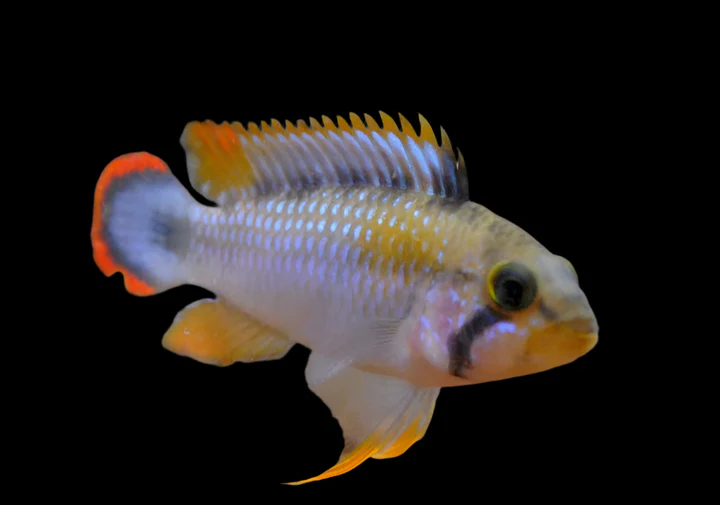
The Blue Panda Dwarf Cichlid has an elongated, slightly compressed body, expressive eyes, and attractive fin markings. Its colour can include blue, grey, yellow, and darker markings, with the exact appearance varying according to sex, age, mood, breeding condition, and individual genetics.
Males generally grow larger and develop more extended fins, while females are typically smaller and may display stronger yellow coloration, particularly when breeding. Colour intensity can change depending on lighting, stress levels, diet, and aquarium conditions.
Natural Behaviour
Like other Apistogramma species, Apistogramma panduro spends much of its time exploring the lower levels of the aquarium. It investigates caves, leaf litter, driftwood, plants, and other sheltered areas.
Although relatively small, this fish can become territorial, especially when breeding. Providing several hiding places and visual barriers helps reduce conflict and gives each fish opportunities to establish its own space.
Aquarium Setup and Care Requirements
Recommended Tank Size
A well-maintained aquarium of approximately 20 gallons is a practical starting point for a single fish or carefully selected pair. A larger aquarium is recommended for a community setup or when keeping multiple individuals.
A longer aquarium with a generous bottom area is preferable to a tall, narrow tank. Provide caves, driftwood, plants, and shaded areas to create a natural environment.
Water Parameters
The Blue Panda Dwarf Cichlid generally benefits from warm, soft, slightly acidic water.
| Water parameter | Recommended range |
|---|---|
| Temperature | 75–82°F (24–28°C) |
| pH | Approximately 5.5–7.0 |
| General hardness | Soft to moderately soft |
| Ammonia | 0 ppm |
| Nitrite | 0 ppm |
| Nitrate | Keep consistently low |
Stable water quality is more important than chasing a particular pH number. Avoid sudden changes in temperature, hardness, or water chemistry. Regular partial water changes and reliable filtration are essential.
Plants, Driftwood and Hiding Places
A natural-style aquarium is ideal. Consider:
-
Aquarium-safe driftwood and branches.
-
Live plants suited to warm freshwater conditions.
-
Small caves and coconut-shell shelters.
-
Leaf litter from aquarium-safe botanicals.
-
Fine sand or smooth substrate.
-
Floating plants to provide shaded areas.
Make sure there are enough shelters for each fish to retreat without being constantly visible to other tank inhabitants.
Feeding the Blue Panda Dwarf Cichlid
A Varied, Protein-Rich Diet
Apistogramma panduro is primarily a small invertebrate feeder in nature. In an aquarium, offer a varied diet that includes quality sinking micro pellets and appropriately sized frozen or live foods.
Suitable options include:
-
Frozen or live brine shrimp.
-
Daphnia.
-
Bloodworms as an occasional food.
-
Small insect larvae.
-
Quality dwarf cichlid pellets.
-
Other suitable small, protein-rich aquarium foods.
Feed small portions once or twice daily, adjusting the quantity to the fish’s appetite. Remove uneaten food to protect water quality. A varied diet helps maintain condition and supports natural colour development.
Compatibility and Tank Mates
Choosing Suitable Community Fish
The Blue Panda Dwarf Cichlid can live in a peaceful community aquarium when its tank mates are carefully selected. Suitable companions may include small, peaceful schooling fish that prefer similar water conditions.
Potential choices include selected small tetras, pencilfish, and other calm species. Bottom-dwelling tank mates should be chosen carefully because Apistogramma can become territorial around caves and breeding sites.
Avoid large, aggressive, highly competitive, or fin-nipping fish. Do not overcrowd the aquarium, and provide enough space for the dwarf cichlid to establish its territory.
Breeding Blue Panda Dwarf Cichlids
Spawning Behaviour
Blue Panda Dwarf Cichlids are cave-spawning fish. A compatible pair may select a sheltered cave or similar hiding place for spawning. The female typically guards the eggs and fry, while the male may defend the surrounding territory.
For breeding success, provide suitable caves, excellent water quality, a nutritious diet, and a peaceful environment. Newly hatched fry require appropriately sized foods, such as infusoria or other suitable first foods, before progressing to larger foods like baby brine shrimp.
Breeding behaviour can increase aggression, so ensure the aquarium has enough space and hiding places.
Why Choose Blue Panda Dwarf Cichlids from Monster Aquarium Canada?
The Blue Panda Dwarf Cichlid is a fascinating choice for aquarists who enjoy unusual freshwater fish without the space requirements of large cichlids. Its attractive appearance, interesting behaviour, and potential for breeding make it a rewarding addition to a suitable aquarium.
Monster Aquarium Canada offers specialty freshwater fish for Canadian aquarium enthusiasts. Before ordering, contact the store to confirm current availability, fish size, sex, shipping eligibility, and delivery arrangements for your province or territory.
Important: Keep this species only in a fully cycled aquarium with stable water conditions. Quarantine new arrivals before introducing them to an established community.
Frequently Asked Questions
1. How big does a Blue Panda Dwarf Cichlid get?
Adults generally reach approximately 2.5–3 inches, with males often growing larger than females.
2. Can Blue Panda Dwarf Cichlids live in a community aquarium?
Yes. They can be kept with peaceful, appropriately sized fish that share similar water requirements. Avoid aggressive and highly competitive tank mates.
3. What size aquarium does a Blue Panda Dwarf Cichlid need?
A 20-gallon aquarium is a practical starting point for a single fish or carefully selected pair. Larger aquariums are recommended for community setups.
4. What do Blue Panda Dwarf Cichlids eat?
They accept suitable small pellets and frozen or live foods such as brine shrimp, daphnia, and appropriately sized insect larvae.
5. Are Blue Panda Dwarf Cichlids easy to breed?
They can breed in aquariums when provided with suitable caves, stable water conditions, nutritious food, and a compatible pair. The female generally guards the eggs and fry.
Be the first to review “Blue Panda Dwarf Cichlid for Sale in Canada | Monster Aquarium”
Related products
Monster Aquarium
Reviews
There are no reviews yet.