Red Belly Pacu (Piaractus brachypomus) for Sale in Canada
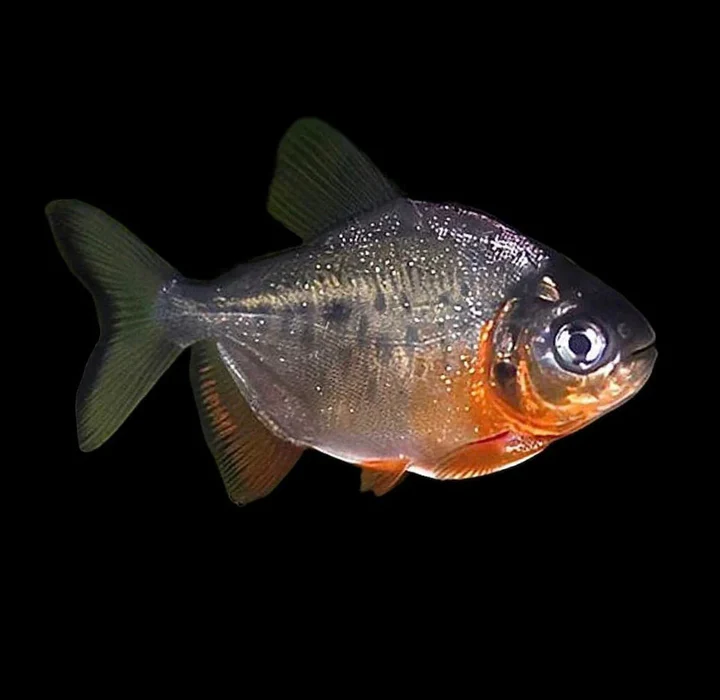
The Red Belly Pacu (Piaractus brachypomus) is an impressive South American freshwater fish known for its deep, powerful body, metallic coloration, and attractive red to orange colouring on the lower body and belly. Popular among monster fish keepers, the Red Belly Pacu is an active, intelligent, and fast-growing species that requires serious long-term planning.
Juvenile Pacus are often relatively small when purchased, but they can grow into exceptionally large and heavy-bodied fish. Their size and activity level mean they are not suitable for ordinary community aquariums as adults. A properly planned setup requires substantial swimming space, powerful filtration, and a realistic commitment to housing a very large freshwater fish.
The Red Belly Pacu is often confused with piranhas because of its body shape and South American origin, but Pacus have very different feeding habits and aquarium behaviour. They are primarily omnivorous and benefit from a varied diet containing significant plant-based nutrition.
Monster Aquarium Canada offers Red Belly Pacu (Piaractus brachypomus) for experienced aquarium hobbyists across Canada.
Why Choose a Red Belly Pacu?
A Powerful and Impressive South American Giant
The Red Belly Pacu is admired for its:
Unique Features
Premium Characteristics
- Deep and powerful body shape
- Attractive red-orange belly coloration
- Metallic silver to dark body tones
- Active swimming behaviour
- Fast growth potential
- Impressive adult size
- Intelligent and alert personality
- Unique South American monster fish
- Exceptional centerpiece fish for very large systems
A healthy adult Red Belly Pacu can become a spectacular feature in a properly designed large aquarium or indoor pond.
How Large Does a Red Belly Pacu Get?
Red Belly Pacus can grow extremely large. Adults may potentially reach approximately 30 inches (75 cm) or more, depending on genetics and long-term conditions.
They also become very deep-bodied and heavy.
Important Long-Term Commitment
Do not select this fish based only on its juvenile size.
Before purchasing, ensure you have a realistic long-term plan for:
- An extremely large aquarium or indoor pond
- Extensive swimming space
- Powerful biological filtration
- Heavy-duty mechanical filtration
- Large-volume water changes
- Long-term feeding requirements
- Safe transportation as the fish grows
A Red Belly Pacu can outgrow even many large home aquariums.
Aquarium Size and Long-Term Housing
A juvenile Red Belly Pacu can initially live in a large grow-out aquarium, but permanent housing must be planned around its potential adult size.
For an adult, a custom aquarium or indoor pond containing several hundred gallons or more should be considered. Larger systems are strongly preferred.
Prioritize Swimming Space
The aquarium should provide:
- Significant length
- Generous width
- Large open swimming areas
- Enough room for the fish to turn comfortably
- Excellent filtration capacity
A tall but narrow aquarium is not an adequate replacement for a large, spacious system.
Essential Equipment
- Powerful biological filtration
- Heavy-duty mechanical filtration
- Excellent oxygenation
- Strong water circulation
- Reliable heating
- Secure aquarium lid
- Large-capacity drainage
- Efficient water-change system
Large Pacus produce substantial waste and require excellent filtration.
Water Parameters
- Scientific Name: Piaractus brachypomus
- Common Name: Red Belly Pacu
- Also Known As: Red-Bellied Pacu
- Origin: South America
- Potential Adult Size: Approximately 30 inches (75 cm)+
- Temperature: 24–30°C (75–86°F)
- pH: Approximately 6.0–7.5
- Water Hardness: Soft to moderately hard
- Care Level: Advanced
- Temperament: Generally peaceful but powerful and very large
- Diet: Omnivorous
- Swimming Level: Middle and upper levels
- Lifespan: Potentially 15–20+ years with proper care
Stable water conditions and regular large water changes are essential for long-term success.
Feeding Your Red Belly Pacu
An Omnivorous Freshwater Giant
Red Belly Pacus require a varied diet. Although they have powerful jaws, they should not be fed exclusively on meaty foods.
Recommended Foods
- High-quality omnivore pellets
- Vegetable-based pellets
- Spirulina foods
- Leafy greens
- Blanched vegetables
- Zucchini
- Shelled peas
- Appropriate fruits in moderation
- Quality aquatic protein foods in moderation
A balanced diet containing substantial plant matter is important.
Important Feeding Advice
Avoid overfeeding. Large Pacus can consume significant amounts of food, but excessive feeding can quickly damage water quality and contribute to health problems.
Feed according to the fish’s size, activity level, body condition, and water temperature.
Behaviour and Temperament
Generally Peaceful but Extremely Powerful
Red Belly Pacus are often more peaceful than their piranha-like appearance suggests. However, their enormous size and strength mean they can accidentally injure smaller or delicate fish.
Their behaviour can vary between individuals.
Tank Mate Considerations
In an extremely large aquarium, experienced keepers may consider other large, robust fish with compatible environmental requirements.
Potential tank mates should be:
- Too large to be accidentally swallowed
- Robust enough to coexist safely
- Compatible with the aquarium’s water conditions
- Able to tolerate the Pacu’s activity level
Avoid:
- Very small fish
- Delicate species
- Slow-moving fish
- Fish requiring significantly different conditions
Always consider the eventual adult size of every species.
Growth Rate
Red Belly Pacus can grow rapidly when young.
Growth depends on:
- Genetics
- Diet
- Water quality
- Available swimming space
- Temperature
- Overall health
Do not attempt to force rapid growth through excessive feeding. Consistent water quality, balanced nutrition, and adequate space are far more important for healthy development.
Red Belly Pacu vs. Red Belly Piranha
Although both species are South American and may have red coloration on the belly, they are very different aquarium fish.
Red Belly Pacu
- Primarily omnivorous
- Can grow extremely large
- Deep, heavy body
- Often comparatively peaceful
- Requires massive long-term housing
Red Belly Piranha
- Predatory feeding behaviour
- Powerful teeth and jaws
- Usually much smaller as an adult
- More specialized social dynamics
- Requires careful species-focused management
The Red Belly Pacu should never be purchased as a substitute for a small aquarium fish. Its adult size represents a major long-term commitment.
Creating the Ideal Red Belly Pacu Aquarium
A successful setup should focus on open space and strong filtration.
Recommended Features
- Massive open swimming areas
- Minimal sharp décor
- Securely positioned large driftwood
- Smooth rocks where appropriate
- Powerful filtration
- Excellent oxygenation
- Stable water conditions
- Efficient water-change system
Avoid overcrowding the aquarium with decorations that restrict the Pacu’s movement.
Why Buy Red Belly Pacu from Monster Aquarium Canada?
Exceptional Monster Fish for Experienced Keepers
Monster Aquarium Canada specializes in unique freshwater fish for hobbyists building serious monster fish collections and large freshwater displays.
Carefully Selected Aquarium Fish
Fish are selected for qualities such as:
- Healthy body condition
- Active swimming
- Alert behaviour
- Strong feeding response
- Attractive natural coloration
Canadian Aquarium Fish Supplier
Monster Aquarium Canada specializes in monster fish, rare tropical fish, freshwater fish, aquarium plants, shrimp, crayfish, snails, fish foods, medications, and aquarium supplies for Canadian hobbyists.
Important: Before ordering, buyers should ensure they can provide appropriate lifelong housing and confirm all applicable requirements for possession and transport in their location.
Frequently Asked Questions
1. How large does a Red Belly Pacu grow?
Red Belly Pacus can potentially reach approximately 30 inches (75 cm) or more and become very heavy-bodied.
2. Is a Red Belly Pacu suitable for a normal home aquarium?
A juvenile may initially live in a large grow-out aquarium, but an adult requires an exceptionally large custom aquarium or indoor pond.
3. What does a Red Belly Pacu eat?
They are omnivorous and should receive a varied diet including quality pellets, vegetables, plant-based foods, and appropriate protein foods in moderation.
4. Is a Red Belly Pacu aggressive?
They are generally more peaceful than piranhas, but their enormous size and strength mean they can still injure or accidentally harm smaller tank mates.
5. Is the Red Belly Pacu suitable for beginners?
No. Its enormous adult size, rapid growth potential, heavy bioload, and demanding long-term housing requirements make it best suited to experienced and well-prepared aquarists.
Be the first to review “Red Belly Pacu for Sale in Canada | Buy Piaractus brachypomus”
Related products
Peacock Bass
Monster Aquarium
Peacock Bass
Peacock Bass
Peacock Bass
Freshwater Stingray for sale in canada
Buy Arowana in Canada
Albino Chocolate Crossbelly Silver Arowana for Sale in Canada
Buy Arowana in Canada
Reviews
There are no reviews yet.