SMOKEY BLUE PINOY ANGELFISH (Pterophyllum scalare) for Sale in Canada
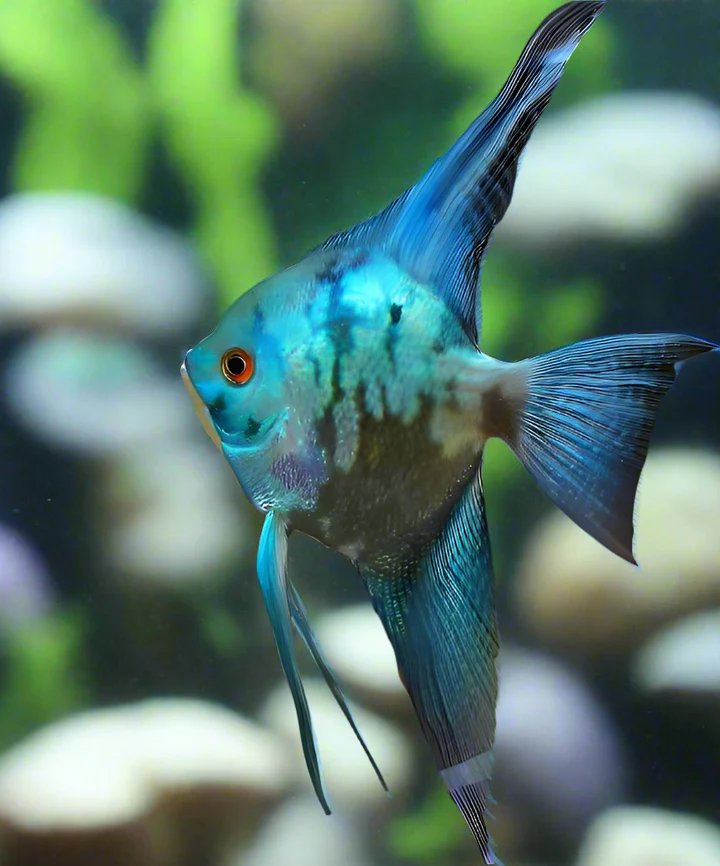
The Smokey Blue Pinoy Angelfish (Pterophyllum scalare) is a striking freshwater aquarium fish prized for its smoky blue-gray coloration, elegant triangular fins, and graceful swimming style. Its distinctive appearance makes it an attractive centrepiece for planted aquariums and carefully planned tropical community tanks.
Available from Monster Aquarium Canada, this selectively bred angelfish is an excellent choice for aquarists who appreciate unusual colour varieties of classic freshwater fish. With appropriate water conditions, a balanced diet, and a thoughtfully arranged aquarium, the Smokey Blue Pinoy Angelfish can become a beautiful addition to a peaceful tropical setup.
Species Overview
Scientific Classification
-
Scientific Name: Pterophyllum scalare
-
Common Names: Smokey Blue Pinoy Angelfish, Blue Pinoy Angelfish, Smokey Blue Angelfish, Freshwater Angelfish
-
Family: Cichlidae
-
Origin of Species: South America
-
Natural Habitat: Slow-moving rivers, flooded forests, and vegetated freshwater waterways
-
Species Type: Tropical freshwater cichlid
-
Adult Size: Approximately 6 inches in body length, with a greater overall height including extended fins
-
Temperament: Generally peaceful to semi-aggressive
-
Diet: Omnivorous
-
Care Level: Moderate
-
Recommended Aquarium: Mature, stable tropical freshwater aquarium
The Smokey Blue Pinoy is a selectively bred colour variety of Pterophyllum scalare. “Pinoy” is an aquarium-trade name associated with particular blue-toned angelfish strains, while the smokey appearance can vary with genetics, age, lighting, and individual development.
Appearance and Coloration
Smokey Blue-Gray Body
The Smokey Blue Pinoy Angelfish is valued for its muted blue, charcoal, and smoky gray tones. Depending on the individual, its body may show a metallic blue sheen, darker areas around the body, or subtle variations in shading.
Its tall, laterally compressed body gives it the classic angelfish silhouette. Long dorsal and anal fins create an elegant triangular outline, while the pelvic fins extend beneath the body like delicate streamers.
Colour Development as the Fish Matures
Juvenile angelfish may look different from mature specimens. Blue tones, darker pigmentation, and pattern definition can change as the fish grows.
Lighting, stress levels, nutrition, and the background of the aquarium may also influence how its colour appears. Individual specimens will not necessarily develop identical markings, so the precise adult coloration cannot be guaranteed.
Why Choose a Smokey Blue Pinoy Angelfish?
1. Distinctive Blue Tones
Its smoky blue coloration offers a subtle alternative to silver, marble, and gold angelfish varieties. It can create a refined visual feature in a planted aquarium.
2. Elegant Swimming Behaviour
Angelfish move with slow, deliberate movements and often occupy the middle and upper portions of the aquarium. Their tall fins and graceful posture make them especially appealing in aquascapes with vertical plants and open swimming areas.
3. A Selectively Bred Aquarium Variety
The Smokey Blue Pinoy offers hobbyists an opportunity to keep a cultivated colour form of a familiar South American cichlid. It combines the traditional angelfish shape with an unusual blue-gray appearance.
4. Suitable for Carefully Selected Community Aquariums
When housed with compatible fish, angelfish can be rewarding community aquarium residents. However, their adult size, long fins, and potential territorial behaviour must be considered when selecting tank mates.
Aquarium Setup and Tank Requirements
Recommended Tank Size
For a single angelfish, a well-maintained aquarium of around 30 gallons may be workable, but a larger aquarium is preferable for long-term stability and swimming space. A group or community setup should generally begin around 55 gallons or more, depending on stocking and dimensions.
Choose a tall aquarium whenever possible. Angelfish have deep bodies and long fins, so adequate vertical swimming space is particularly important.
Substrate and Decorations
A natural-looking aquarium with fine sand or smooth gravel works well. Driftwood, aquatic plants, and carefully arranged rocks can create shelter without taking away too much open swimming space.
Suitable plants may include Java fern, Amazon swords, Anubias, and other species compatible with the aquarium’s lighting and water conditions.
Provide open areas for swimming and enough visual barriers to reduce territorial disputes. Avoid sharp decorations that could damage the angelfish’s fins.
Filtration and Water Flow
Use reliable filtration that maintains good water quality without creating excessively strong currents. Angelfish generally appreciate calm to moderate water movement.
A mature, cycled aquarium is essential. Regular partial water changes, careful feeding, and routine testing help maintain stable conditions.
Water Parameters
| Parameter | Recommended Range |
|---|---|
| Temperature | 76–82°F (24–28°C) |
| pH | Approximately 6.0–7.5 |
| Water hardness | Soft to moderately hard |
| Ammonia | 0 ppm |
| Nitrite | 0 ppm |
| Nitrate | Keep low through maintenance |
Angelfish can adapt to a reasonable range of water conditions when acclimated carefully, but consistency is important. Avoid sudden changes in temperature, pH, or hardness, and use a reliable aquarium heater where necessary.
Diet and Feeding
What Do Smokey Blue Pinoy Angelfish Eat?
These angelfish are omnivores and benefit from a varied diet that supports healthy growth, fin development, and coloration.
Suitable foods include:
-
High-quality tropical flakes
-
Small, appropriately sized cichlid or angelfish pellets
-
Frozen brine shrimp
-
Mysis shrimp
-
Daphnia
-
Suitable insect-based or other balanced prepared foods
Feeding Routine
Feed small portions once or twice daily, adjusting the quantity to the fish’s size and appetite. Juveniles may benefit from more frequent small meals when water quality can be maintained.
Avoid overfeeding. Uneaten food can quickly degrade water quality, particularly in a heavily stocked aquarium. A varied, nutritionally complete diet is more beneficial than relying on one food or colour-enhancing products alone.
Behaviour and Temperament
Peaceful but Territorial
Smokey Blue Pinoy Angelfish are generally calm when young, but their behaviour can change as they mature. They may establish territories, particularly when forming pairs or preparing to breed.
Angelfish can also become more assertive when competing for food or defending an area. Keeping them in an appropriately sized aquarium with sufficient swimming space and visual barriers can help reduce stress.
Social Needs
Some aquarists keep angelfish singly, in compatible pairs, or in groups raised together. Groups require careful planning because dominant individuals may repeatedly harass weaker fish. Be prepared to separate fish if persistent aggression develops.
Compatible Tank Mates
Suitable Community Fish
Potential companions include appropriately sized, peaceful tropical fish that tolerate similar water conditions. Depending on the aquarium and individual temperament, possible options include:
-
Corydoras catfish
-
Larger peaceful tetras
-
Certain peaceful South American catfish
-
Other compatible community fish that are not small enough to be swallowed
Always consider the adult size and behaviour of every species rather than relying on a compatibility list alone.
Tank Mates to Avoid
Avoid fin-nipping fish, highly aggressive species, and very small fish that may become prey as the angelfish grows. Some barbs and other persistent fin nippers may damage the angelfish’s long fins.
Do not assume every angelfish will tolerate every other angelfish. Monitor behaviour closely, especially during pairing and breeding.
Growth, Lifespan, and Long-Term Care
With suitable care, Pterophyllum scalare can live for several years, and some individuals may live around 8–10 years. Actual lifespan depends on genetics, nutrition, water quality, and general husbandry.
Provide a varied diet, a clean aquarium, stable water parameters, and enough vertical space for the adult fish. Check its fins regularly for damage and observe changes in appetite, breathing, or swimming behaviour.
Male and Female Differences
Sexing Smokey Blue Pinoy Angelfish can be difficult, particularly in juveniles. Males and females often have similar body shapes and colour patterns.
More reliable differences may become apparent when mature fish are ready to spawn, when their breeding tubes become visible. Body shape or forehead profile alone should not be treated as definitive proof of sex.
Breeding Information
Angelfish may form pairs and lay eggs on broad leaves, vertical surfaces, or other suitable spawning sites. Both parents may defend the eggs and fry, although success varies between pairs.
A breeding aquarium should provide stable water conditions, suitable spawning surfaces, and enough space to reduce stress. If raising fry is the goal, a plan for feeding them appropriately and managing the parents’ behaviour is important.
Smokey Blue Pinoy Angelfish for Sale in Canada
Monster Aquarium Canada serves aquarists looking for distinctive freshwater fish and ornamental aquarium varieties. The Smokey Blue Pinoy Angelfish (Pterophyllum scalare) is an appealing choice for hobbyists seeking an elegant fish with unusual blue-gray coloration.
Before ordering, confirm current stock, the specimen’s size, shipping eligibility, and delivery arrangements for your Canadian address. Colour intensity and markings can differ between individuals, and live-fish availability may change.
For the best results, prepare a mature aquarium before arrival and ensure that existing tank mates are suitable for an adult angelfish.
Frequently Asked Questions
1. What is a Smokey Blue Pinoy Angelfish?
It is a selectively bred colour variety of Pterophyllum scalare, known for its smoky blue-gray appearance, tall fins, and graceful swimming behaviour.
2. How big does a Smokey Blue Pinoy Angelfish get?
The body commonly reaches around 6 inches, with the full height being greater when the dorsal and anal fins are extended.
3. What tank size does a Smokey Blue Pinoy Angelfish need?
A single fish may be maintained in an aquarium around 30 gallons, while a group or community setup generally needs a larger aquarium, often 55 gallons or more. A tall tank is especially beneficial.
4. Can Smokey Blue Pinoy Angelfish live with tetras?
They can live with some appropriately sized, peaceful tetras. Very small fish may be eaten as the angelfish matures, so select companions based on adult size and behaviour.
5. What should I feed a Smokey Blue Pinoy Angelfish?
Offer quality tropical flakes or small pellets alongside suitable frozen foods such as brine shrimp, mysis shrimp, and Daphnia. Feed modest portions and maintain good water quality.
Be the first to review “Smokey Blue Pinoy Angelfish for Sale in Canada | Monster Aquarium”
Related products
Schooling Aquarium Rasboras
Active Aquarium Barbs
Tinfoil Barb (Barbonymus schwanenfeldii) for Sale Canada | Large Freshwater Barb
Exotic Brackish Water Fish
Orange Chromide (Etroplus maculatus) for Sale Canada | Premium Freshwater Cichlid
Reviews
There are no reviews yet.