WILD OSCAR (Astronotus ocellatus) “Marajó” – For Sale in Canada
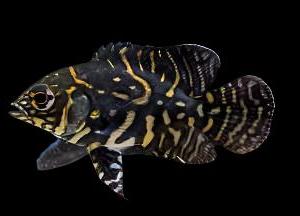
Monster Aquarium Canada presents the Wild Oscar “Marajó” (Astronotus ocellatus), a fascinating wild-type Oscar for aquarists and cichlid keepers looking for natural coloration, personality, and a more unusual specimen than standard captive-bred Oscar varieties.
Wild Oscar “Marajó” Overview
Species Information
The Oscar is one of the world’s most popular large South American cichlids. Wild specimens can display considerably different coloration and patterning compared with selectively bred aquarium varieties.
- Common Name: Wild Oscar
- Scientific Name: Astronotus ocellatus
- Collection/Locality: Marajó
- Type: Wild / wild-type specimen
- Origin: South America
- Water Type: Freshwater
- Temperament: Semi-aggressive
- Diet: Omnivorous, with a strong carnivorous preference
- Adult Size: Approximately 12–14″+ is possible
- Lifespan: Often 10–15+ years with excellent care
What Makes the Marajó Oscar Special?
Wild Oscars are particularly appealing to collectors because their appearance reflects the natural variation found within the species. The Marajó locality adds extra interest for aquarists who enjoy geographical forms and wild-collected fish.
Unlike highly selected commercial color morphs, a wild Oscar’s coloration can develop and change considerably as the fish matures.
Aquarium Setup
Recommended Tank
Oscars become large, powerful cichlids that require substantial aquarium space. A juvenile may start in a smaller aquarium, but long-term planning should begin immediately.
For a single adult Oscar, a 75-gallon aquarium is commonly considered a minimum starting point, with larger systems preferable, particularly for very large specimens.
Provide:
- Strong filtration
- Open swimming space
- Sturdy décor
- Smooth rocks and driftwood
- Secure aquarium lid
- Good oxygenation
- Easy-to-clean substrate
Avoid fragile decorations because Oscars are notorious for rearranging their aquariums.
Water Parameters
Ideal Conditions
Wild Oscars appreciate stable, clean water rather than constantly changing parameters.
- Temperature: 24–28°C
- pH: Approximately 6.0–7.5
- Ammonia: 0 ppm
- Nitrite: 0 ppm
- Nitrate: Keep low through regular maintenance
Gradually acclimate newly received fish to the aquarium’s temperature and chemistry.
Feeding the Wild Oscar
Diet
Oscars are enthusiastic feeders and benefit from a varied, nutritionally balanced diet.
Suitable foods include:
- High-quality cichlid pellets
- Large carnivore pellets
- Earthworms
- Insects
- Shrimp
- Quality frozen foods
- Other appropriately sized aquatic foods
A quality formulated pellet should be an important part of the diet rather than relying exclusively on live foods.
Feeding Juveniles
Smaller Oscars should receive appropriately sized portions several times as needed, while larger specimens can transition to larger meals on a suitable schedule.
Avoid overfeeding because Oscars produce considerable waste.
Behavior & Personality
Why Oscars Are So Popular
One of the defining characteristics of Astronotus ocellatus is its intelligence and personality. Oscars often learn to recognize their keeper and can become highly interactive.
They may:
- Follow people around the aquarium
- Beg for food
- Rearrange decorations
- Display territorial behavior
- Interact with aquarium décor
A Wild Oscar can become a spectacular centerpiece fish.
Tank Mates
Choosing Compatible Fish
Wild Oscars should be kept with carefully selected, similarly sized fish.
Potential companions may include other robust large cichlids or appropriately sized community members in sufficiently large systems.
Avoid:
- Tiny community fish
- Small shrimp
- Small snails
- Delicate fish
- Slow-moving fish that cannot defend themselves
Remember that an Oscar has a large mouth and is capable of eating surprisingly large prey.
Wild Oscar Growth
From Juvenile to Adult
Young Oscars can grow rapidly when provided with excellent nutrition, stable water quality, sufficient swimming space, and appropriate filtration.
Growth depends on:
- Genetics
- Diet
- Water quality
- Aquarium size
- Maintenance
- Stress
- Overall husbandry
The Marajó specimen should therefore be purchased with its adult size and long-term requirements in mind.
Filtration & Maintenance
Powerful Filtration
Oscars are messy eaters and produce substantial biological waste. High-quality filtration is essential.
A suitable system can incorporate:
- Oversized canister filtration
- Sump filtration
- Mechanical filtration
- Large biological-media capacity
- Strong surface agitation
- Adequate aeration
Regular partial water changes and gravel/substrate cleaning will help maintain water quality.
Wild-Caught Oscar Acclimation
Acclimation Tips
If the Marajó specimen is genuinely wild collected, extra attention during acclimation is recommended.
Give the fish:
- A quiet environment
- Stable temperature
- Excellent water quality
- Appropriate hiding areas
- A gradual introduction to aquarium foods
New wild specimens may initially be shy or reluctant to eat while adapting to captivity.
Quarantine is also strongly recommended when introducing a wild fish into an established aquarium.
Wild Oscar “Marajó” for Sale in Canada
Buy Wild Oscar in Canada
If you’re searching for a Wild Oscar (Astronotus ocellatus) from Marajó for sale in Canada, Monster Aquarium Canada specializes in unusual freshwater fish and monster-fish species for Canadian aquarists.
Because wild specimens can vary significantly in availability, appearance, and size, always verify the current specimen details and availability before ordering.
Frequently Asked Questions
How big does a Wild Oscar get?
A mature Oscar can reach approximately 12–14 inches or more under excellent conditions.
Is a Wild Oscar different from a regular Oscar?
The species is the same, but wild specimens can show different natural coloration, patterning, body shape, and locality characteristics compared with selectively bred aquarium strains.
What does a Marajó Oscar mean?
“Marajó” refers to the locality associated with the specimen. Locality information is particularly interesting to collectors of wild South American fish.
What size aquarium does an Oscar need?
A single adult Oscar is commonly housed in at least a 75-gallon aquarium, although larger aquariums provide significantly better long-term space and water stability.
Are Oscars aggressive?
Oscars are generally considered semi-aggressive. Individual temperament varies, and they can become territorial, especially around feeding, spawning, or limited space.
Be the first to review “Wild Oscar “Marajó” for Sale in Canada | Astronotus ocellatus”
Related products
All American Cichlids
Pre-Order Species
Marbled Gar (Boulengerella maculata) 8 Inch Canada | Buy Freshwater Needlefish Online
All African Cichlids
Zebra Tilapia (Heterotilapia buttikoferi) for Sale Canada | West African Cichlid
Other African Species
Zebra Tilapia (Heterotilapia buttikoferi) for Sale Canada | Rare West African Cichlid
Reviews
There are no reviews yet.