
Fire Red Agassiz’s Dwarf Cichlid (Apistogramma agassizii) – Vibrant South American Dwarf Cichlid
The Fire Red Agassiz’s Dwarf Cichlid (Apistogramma agassizii) is a spectacular South American freshwater fish admired for its fiery red colouration, elegant body shape, and fascinating behaviour. This striking ornamental variety of Agassiz’s Dwarf Cichlid is especially popular among aquarists who appreciate colourful, smaller cichlids with distinctive personalities.
Its vibrant red and orange tones, contrasting body markings, and attractive fins make it a beautiful addition to a planted aquarium or a dedicated dwarf cichlid setup. Like other Apistogramma species, it spends much of its time exploring the lower levels of the aquarium, investigating caves, driftwood, plants, and sheltered spaces.
At Monster Aquarium Canada, the Fire Red Agassiz’s Dwarf Cichlid is an excellent choice for Canadian hobbyists looking to add an eye-catching South American cichlid to their freshwater collection.
Appearance and Fire Red Colouration
A Brilliant Red Ornamental Variety
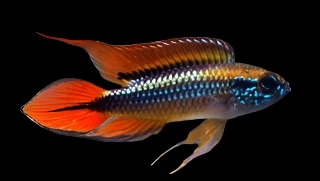
The Fire Red Agassiz’s Dwarf Cichlid is known for its warm red, orange, and yellow colour tones. Depending on the individual and ornamental strain, the body may display a combination of bright red markings, darker lateral patterns, and colourful fin edges.
Its elongated body and distinctive tail fin contribute to its elegant appearance. Males often develop more intense colouration and longer fins than females, particularly as they mature.
Colour intensity can vary according to genetics, age, diet, lighting, water quality, and breeding condition. The Fire Red name refers to an ornamental colour variety rather than a separate scientific species, so individual fish may not all display identical patterns.
Male and Female Differences
Mature male Agassiz’s Dwarf Cichlids are generally larger and more colourful, with extended dorsal and caudal fins. Females are typically smaller and may develop stronger yellow colouration, especially when preparing to spawn or guarding fry.
Sexing juvenile specimens can be difficult. If you require a confirmed male, female, or compatible breeding pair, contact Monster Aquarium Canada before ordering.
Aquarium Setup and Care Requirements
Recommended Tank Size
A 20-gallon aquarium is a practical starting point for a single fish or carefully selected pair. A larger aquarium of approximately 30 gallons or more is preferable for a community setup or a small breeding group.
Because Agassiz’s Dwarf Cichlids establish territories near the bottom of the aquarium, floor space is especially important.
Recommended aquarium features include:
-
Fine sand or smooth aquarium substrate.
-
Natural driftwood and branches.
-
Small caves and coconut-shell shelters.
-
Live plants and shaded areas.
-
Aquarium-safe leaf litter.
-
Gentle water movement.
-
Reliable biological filtration.
Provide several caves and hiding places so fish can retreat and establish separate territories. Dense planting and driftwood can also help break lines of sight and reduce aggression.
Recommended Water Parameters
The Fire Red Agassiz’s Dwarf Cichlid generally appreciates warm, clean, stable freshwater conditions.
| Parameter | Recommended range |
|---|---|
| Temperature | 75–82°F (24–28°C) |
| pH | Approximately 5.5–7.0 |
| General hardness | Approximately 1–10 dGH |
| Ammonia | 0 ppm |
| Nitrite | 0 ppm |
| Nitrate | Keep consistently low |
These are general care targets, not rigid requirements for every ornamental strain. Consistency is particularly important. Avoid sudden changes in temperature, pH, or hardness, and maintain a fully cycled aquarium before introducing new fish.
Regular partial water changes and dependable filtration help maintain the clean conditions this species needs.
Feeding and Nutrition
A Varied Diet for Colour and Condition
Apistogramma agassizii is a small omnivorous micro-predator that naturally feeds on tiny invertebrates and other small organisms.
In an aquarium, provide a varied diet with appropriately sized prepared, frozen, and live foods.
Recommended foods include:
-
High-quality dwarf cichlid micro pellets.
-
Frozen or live brine shrimp.
-
Daphnia.
-
Mysis shrimp in suitable portions.
-
Small insect larvae.
-
Frozen bloodworms as an occasional treat.
Feed small portions once or twice daily, adjusting the amount according to appetite. Avoid overfeeding and remove uneaten food to prevent deterioration of water quality.
A varied, nutritious diet supports healthy growth, good body condition, and the development of natural red and orange colouration.
Temperament and Tank Mate Compatibility
Small Size with Territorial Behaviour
The Fire Red Agassiz’s Dwarf Cichlid is generally manageable in a peaceful community aquarium, but it can become territorial around caves and breeding areas. This is especially noticeable when a female is guarding eggs or fry.
Although it is a small fish, it should not be treated as completely passive. Adequate floor space, hiding places, and visual barriers help minimize conflict.
Suitable Tank Mates
Potential tank mates include:
-
Small peaceful tetras.
-
Pencilfish.
-
Selected rasboras.
-
Otocinclus.
-
Corydoras species with compatible temperature requirements.
-
Other calm, appropriately sized community fish.
Avoid large predatory fish, aggressive cichlids, fin-nippers, and highly competitive tank mates. When keeping multiple Apistogramma, plan the aquarium carefully to provide enough separate territories.
Breeding Fire Red Agassiz’s Dwarf Cichlids
Cave Spawning and Parental Care
Agassiz’s Dwarf Cichlids are cave spawners. A compatible pair may choose a small cave, coconut shell, or sheltered space to lay eggs.
The female generally takes the leading role in guarding the eggs and protecting the fry. During this time, she may become more territorial and defend the area around her chosen shelter.
A suitable breeding aquarium should provide:
-
A compatible mature pair.
-
Several small caves and hiding places.
-
Stable, clean water conditions.
-
A nutritious and varied diet.
-
Minimal disturbance.
-
Suitable first foods for newly hatched fry.
New fry require very small foods, such as infusoria or appropriate commercial first foods, before progressing to baby brine shrimp as they grow.
Why Choose Fire Red Agassiz’s Dwarf Cichlids from Monster Aquarium Canada?
The Fire Red Agassiz’s Dwarf Cichlid combines impressive colouration with the fascinating behaviour of a true South American dwarf cichlid. Its compact size makes it suitable for thoughtfully designed smaller aquariums, while its territorial and breeding behaviour provides plenty of interest for dedicated hobbyists.
Monster Aquarium Canada offers specialty freshwater fish for Canadian aquarium enthusiasts. Whether you are expanding an Apistogramma collection, creating a planted South American aquarium, or searching for a colourful dwarf cichlid, this ornamental variety is an attractive option.
Before ordering: Contact Monster Aquarium Canada to confirm current availability, actual specimen size, colour pattern, sex if required, and shipping eligibility to your Canadian province or territory. Juveniles may develop stronger colouration and longer fins as they mature. Quarantine new arrivals before introducing them to an established aquarium.
Frequently Asked Questions
1. What is a Fire Red Agassiz’s Dwarf Cichlid?
It is a red-coloured ornamental variety of Apistogramma agassizii, a small South American freshwater dwarf cichlid.
2. How big does Agassiz’s Dwarf Cichlid get?
Males commonly reach approximately 3–3.5 inches, while females are usually smaller, around 2–2.5 inches. Individual size varies.
3. What size aquarium does a Fire Red Agassiz’s Dwarf Cichlid need?
A 20-gallon aquarium is a practical starting point for a single fish or compatible pair. A larger aquarium is recommended for community setups.
4. What do Fire Red Agassiz’s Dwarf Cichlids eat?
They accept quality micro pellets, brine shrimp, daphnia, mysis shrimp, and other suitably sized frozen or live foods.
5. Can Fire Red Agassiz’s Dwarf Cichlids breed in an aquarium?
Yes. They are cave-spawning fish and can breed in suitable aquariums. Females generally guard the eggs and fry, so caves, stable water conditions, and appropriate fry food are important.
Be the first to review “Fire Red Agassiz’s Dwarf Cichlid for Sale in Canada | Monster Aquarium”
Related products
Reviews
There are no reviews yet.