Freshwater River Sole (Brachirus panoides) for Sale in Canada
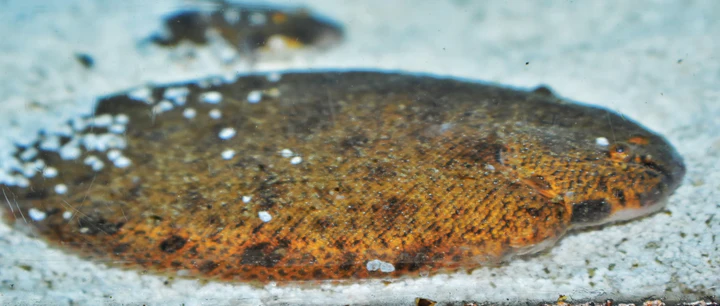
The Freshwater River Sole (Brachirus panoides) is a rare and highly unusual flatfish that makes a fascinating addition to a specialist aquarium. With its flattened body, both eyes positioned on one side of the head, and exceptional camouflage, this species looks completely different from most freshwater aquarium fish.
Often associated with freshwater, brackish, and estuarine environments, River Soles require careful research and planning before purchase. Water requirements can vary depending on the origin and collection conditions of individual specimens. For this reason, buyers should avoid assuming that every fish sold under this common name requires identical conditions.
The Freshwater River Sole spends much of its time close to the substrate, where it may partially bury itself or remain motionless while blending into its surroundings. Its cryptic appearance and unusual behaviour make it particularly appealing to experienced aquarists interested in rare bottom-dwelling fish and specialist aquarium species.
Monster Aquarium Canada offers Freshwater River Sole (Brachirus panoides) for experienced aquarium hobbyists across Canada.
Why Choose a Freshwater River Sole?
A Rare and Remarkable Flatfish
The Freshwater River Sole is admired for its:
Unique Features
Premium Characteristics
- Rare and unusual aquarium fish
- Fascinating flatfish body shape
- Both eyes positioned on one side
- Excellent natural camouflage
- Bottom-dwelling behaviour
- Can partially bury itself in fine substrate
- Unique addition to a specialist aquarium
- Exceptional conversation-piece fish
Its remarkable appearance makes it one of the most distinctive fish for advanced aquarists seeking something truly different.
How Large Does a Freshwater River Sole Get?
Adult size can vary, but Brachirus panoides may reach approximately 6–8 inches (15–20 cm).
Individual growth depends on genetics, diet, environmental conditions, and long-term care.
Because of its body shape and bottom-oriented lifestyle, aquarium floor space is especially important.
Aquarium Size
A 40-gallon breeder-style aquarium or larger is recommended as a starting point for an adult Freshwater River Sole. Larger aquariums with generous bottom area are preferable.
Recommended Aquarium Setup
- Mature biological filtration
- Excellent water quality
- Fine sand substrate
- Large open bottom areas
- Gentle to moderate water movement
- Smooth décor
- Minimal sharp objects
- Secure aquarium lid
- Stable water parameters
Fine sand is strongly recommended because rough gravel can potentially damage the underside of this delicate bottom-dwelling fish.
Water Parameters
Because River Soles may occur in different salinity environments, exact water requirements should be confirmed for the individual specimen.
General Specialist Care Guidelines
- Scientific Name: Brachirus panoides
- Common Name: Freshwater River Sole
- Potential Adult Size: Approximately 6–8 inches (15–20 cm)
- Care Level: Advanced
- Temperament: Generally peaceful and non-aggressive
- Diet: Carnivorous
- Swimming Level: Bottom
- Substrate: Fine sand preferred
Important Water Requirement Note
Do not automatically assume that a specimen labelled as a Freshwater River Sole can remain indefinitely in identical conditions to every other individual sold under the same name.
Some specimens may be associated with freshwater, while others may require brackish conditions or gradual acclimation to specific salinity levels depending on collection location and long-term care history.
Before purchase, confirm the fish’s current water conditions and continue providing appropriate parameters.
Feeding Your Freshwater River Sole
A Carnivorous Bottom-Dwelling Specialist
Freshwater River Soles require meaty foods of an appropriate size.
Because they are often shy and may feed slowly, ensure they receive enough food in a community aquarium.
Recommended Foods
- Frozen bloodworms
- Blackworms from reliable sources
- Tubifex from reliable sources
- Small pieces of shrimp
- Chopped mussels
- Other suitable aquatic protein foods
- Small sinking carnivore foods, where accepted
Feeding Tips
Offer food near the substrate, especially when the aquarium lighting is dim.
This species may be more comfortable feeding:
- During low-light periods
- At dusk
- After aquarium activity has reduced
Always confirm that the sole is actually receiving food, particularly in community setups with faster tank mates.
Behaviour and Temperament
A Master of Camouflage
Freshwater River Soles often spend much of their time:
- Resting on the sand
- Partially burying themselves
- Moving slowly along the aquarium bottom
- Remaining motionless
- Blending into the substrate
This behaviour is normal and should not automatically be interpreted as illness.
However, unusual signs such as persistent rapid breathing, visible injuries, severe weight loss, or inability to remain properly positioned should be investigated promptly.
Compatible Tank Mates
Choose Tank Mates Carefully
The Freshwater River Sole is generally non-aggressive, but suitable tank mates must not outcompete it for food or disturb it constantly.
Potential companions may include:
- Calm, appropriately sized fish
- Peaceful species using other aquarium levels
- Slow to moderately active community fish with compatible water requirements
Avoid
- Aggressive cichlids
- Large predators
- Constantly harassing fish
- Very fast feeders that consume all food
- Fish likely to nip at the sole
- Species requiring incompatible water conditions
Always prioritize compatibility with the individual sole’s confirmed water requirements.
Creating the Ideal Freshwater River Sole Aquarium
Focus on the Aquarium Floor
Unlike many fish, the River Sole needs generous bottom space rather than excessive aquarium height.
Recommended Features
- Fine soft sand
- Large open bottom areas
- Smooth rocks
- Carefully placed driftwood
- Dim or shaded areas
- Gentle to moderate current
- Stable, clean water
- Low-stress environment
Avoid overcrowding the aquarium floor.
The fish should have enough open sand to move naturally and bury itself if desired.
Freshwater River Sole and Brackish Water
Why Correct Identification and Origin Matter
The common name Freshwater River Sole can create confusion because species within the broader group of soles and related flatfish may occupy different environments.
Brachirus panoides is associated with freshwater and brackish habitats, and aquarium care should be based on reliable information about the specific specimen.
Before Purchasing
Ask about:
- Current water salinity
- Current pH and temperature
- Collection origin, if known
- How long the fish has been maintained in its present conditions
- Current feeding behaviour
Avoid making sudden changes in salinity. If any adjustment is necessary, it should be gradual and carefully monitored.
Why Buy Freshwater River Sole from Monster Aquarium Canada?
Rare Specialist Fish for Canadian Aquarists
Monster Aquarium Canada offers unusual freshwater fish for hobbyists interested in rare tropical fish, exotic bottom dwellers, predator fish, specialist aquarium species, and unique aquatic animals.
Carefully Selected Aquarium Fish
Fish are selected for qualities such as:
- Healthy body condition
- Normal positioning
- Alert response
- Good overall condition
- Appropriate feeding behaviour
- Natural camouflage and movement
Canadian Aquarium Fish Supplier
Monster Aquarium Canada specializes in freshwater fish, rare tropical fish, monster fish, aquarium plants, shrimp, crayfish, snails, fish foods, medications, and aquarium supplies for Canadian aquarium hobbyists.
Important: This is a specialist species. Before ordering, ensure you understand its current water requirements and have an appropriate aquarium established before the fish arrives.
Frequently Asked Questions
1. Is the Freshwater River Sole really a freshwater fish?
Brachirus panoides is associated with freshwater and brackish habitats. The exact requirements of an individual aquarium specimen should be confirmed based on its current conditions and origin.
2. How large does a Freshwater River Sole grow?
They may reach approximately 6–8 inches (15–20 cm), although individual size can vary.
3. What substrate is best for a River Sole?
Fine, soft sand is strongly recommended because it allows natural behaviour and is gentler on the fish’s underside.
4. What does a Freshwater River Sole eat?
They are carnivorous and may eat frozen bloodworms, suitable worms from reliable sources, shrimp, mussels, and other appropriately sized aquatic protein foods.
5. Is a Freshwater River Sole suitable for beginners?
No. Because of its specialist feeding needs, unusual behaviour, and potentially variable salinity requirements, it is better suited to experienced aquarists.
Reviews
There are no reviews yet.